Flax-Bran Raisin Muffins

This recipe is based on my usual bran muffin recipe, but I’ve added flax because of the Omega-3s it contains, and provides even more fibre than a regular bran muffin.  I’ve also lowered the amount of sugar in these, balancing out the sweetness of the raisins. They’re easy to make, taste great, and they’re good for you.  Throw them in the freezer and you’ve got a quick snack whenever you need it.

You need:

1 cup flour

1/4 cup brown sugar

1/4 teaspoon salt

1 & 1/2 teaspoons baking powder

1/2 teaspoons baking soda

1 cup bran

1/2 cup ground flax seeds

1 cup raisins

2 eggs

1 cup milk (soy is good too)

2 Tablespoons molasses

1/4 cup butter

What you do:

1.  Preheat the oven to 400F.

2.  Stir dry ingredients  in a large bowl.

3.  Melt butter, then mix in the milk slowly, so the butter doesn’t harden when you add cold milk.  Add molasses.  Pour the liquids, along with the slightly beaten eggs, into the dry ingredients.  Mix by hand only until the ingredients are combined; if you mix more you’ll get tough little muffins.  Mix in the raisins.

4.  Place mixture in muffin tins lined with paper baking cups.

5.  Bake at 400F for 20 minutes.  Take muffins out of tins and cool on a rack for a few minutes before eating.

6.  If you freeze them, make sure they’re completely cool before they go in the freezer.

Cocoa Nib Cookies

These are pretty addictive, so be careful!  They have three kinds of chocolate – cocoa powder, chocolate chips, and cocoa nibs.  The nibs balance out the sweetness, and have a slight crunch.  Depending on how you like your cookies you can adjust the baking time.  I like mine slightly chewy but with a good bite to them, so I used the cooking time I listed here.  Some people like them crunchy, so feel free to leave them in a little longer if that applies to you.

These are refrigerator cookies, so you need to mix them a few hours before you are going to bake them.

I found this recipe in The Grand Central Baking Book by Piper Davis and Ellen Jackson.

What you need:

1 & 1/4 cups unbleached all-purpose flour

1/2 cup cocoa

1/2 teaspoon salt

1/2 teaspoon baking soda

3/4 cup butter, room temperature

1/4 cup white sugar

3/4 cup packed brown sugar

1 teaspoon vanilla

1/3 cup cocoa nibs

1/2 cup semi-sweet chocolate chips

(nope, there’s no egg in here!)

What you do:

1. Beat the butter, then mix in the sugars for about 3 minutes, or until very smooth.  Add the vanilla.

2.  Add the dry ingredients, mixing until just incorporated.  Fold in the cocoa nibs and chocolate chips.

3. Divide the dough into 2 pieces and place on parchment or wax paper.  Form into logs, then roll them up and refrigerate for about 2 hours.  You could leave the dough in the fridge for a few days, or freeze for a few months.

4. Preheat the oven to 325F and line baking sheets with parchment paper.

5.  Using a very sharp knife, slice the dough into rounds about 2 cm thick.  Place on the baking sheets with a little space between them.  Bake for 15-16 minutes, rotating the pans half way through the baking.

I served them with some vanilla ice-cream and chocolate fudge sauce.  Yummmmy!

Rosemary Crackers

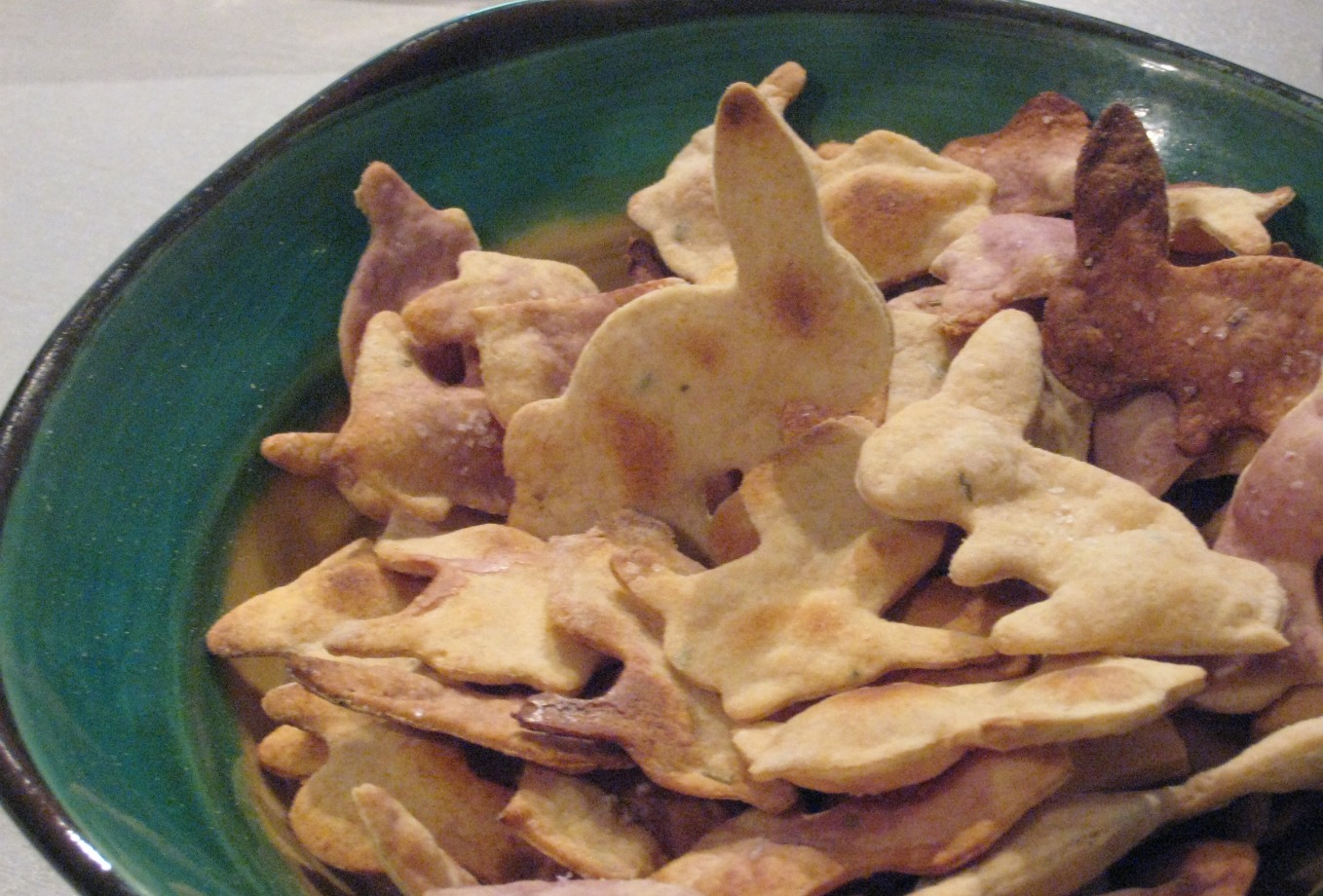
I just happened to be making these crackers on Easter weekend, so they are in the shape of little bunnies.  It’s pretty easy to make your own crackers, just mix, roll, cut and bake. I like the idea that I know what is going into my food, so I try to make as much of it from scratch as I can.

I got this recipe from a cook book called 100 Perfect Pairings, and the original recipe used fennel seeds instead of rosemary.  The crackers are brushed with red wine before baking, giving them a pink hue – this is optional, as I didn’t find I could actually taste the wine.  So if you want pink crackers, brush away!

I served mine with olive tapenade and goat cheese, but other sliced cheeses would work well too.

What you need

1 cup all-purpose flour, plus a little more for rolling

3/4 cup whole wheat flour

1 & 3/4 teaspoons salt

1 teaspoon finely chopped fresh rosemary

3 tablespoons olive oil

3 tablespoons red wine (optional)

3/4 teaspoon fleur de sel for sprinkling

What you do

1.  Combine the flours, salt and rosemary in a bowl.  Add the oil and 1/2 cup of water, working it until it combines into a crumbly ball.

2.  Preheat the oven to 450F.

3.  Cut the dough into three pieces and wrap two of them in plastic wrap.  Work with one of the balls, rolling it out on a floured surface until it is about 2mm thick.  Cut the dough into squares, or into any shape you desire.

4.  Lightly brush the dough with wine, then sprinkle with a little fleur de sel.  Move the crackers to a baking sheet.

5.  Bake for 7-10 minutes, watching carefully so they don’t burn.  While they are baking you can roll out the next batch.

6.  Allow the crackers to cool on a wire rack. After they are thoroughly cooled you may store them in an airtight container for about a week.

Whiskey-Soaked Chocolate Cake

Boozy chocolate cake – what could be better?  It’s got enough flavour and moistness that you don’t need an icing, but of course you can do whatever you want with it.

I found the recipe on awhiskandaspoon. It’s meant to be a bundt cake, but I made it in two loaf pans instead.  I also used strong coffee rather than the espresso powder that the original called for.  It’s moist and flavourful, but not too rich.  It is great served with a little whipping cream, or just a sprinkle of icing sugar to make it look pretty when it is served.

What you need:

1 cup unsalted butter, room temperature

2 cups flour

5 ounces bittersweet chocolate (5 squares of baker’s chocolate)

2 tablespoons cocoa

1 cup very strong hot coffee

1 cup whiskey

1/2 teaspoon salt

2 cups granulated sugar

3 large eggs, room temperature

1 tablespoon vanilla extract

1 teaspoon baking soda

icing sugar for dusting on the top (optional)

What you do:

1. Line the bottom of two loaf pans with parchment paper (or butter and flour a bundt pan).

2. Melt the chocolate in a double boiler (I just put some water in a pot, then place a bowl over it, heat the water up and put the chocolate in the bowl.  Keep it simmering until the chocolate is melted.) Set the chocolate aside to cool.

3. Place the cocoa in a large measuring cup, at least 2 cups capacity.  Add enough hot coffee to fill it to the one cup mark.  Stir the cocoa and coffee, then add the whiskey and salt and allow it to cool.

4. Preheat the oven to 325 F.

5.  Beat the butter until fluffy, then mix in the sugar.  Add the eggs one at a time, beating well.  Add the vanilla extract and chocolate.

6.  Beat in 1/3 of the whiskey/coffee mixture on low speed, then mix in half of the flour.  Add another third of the liquid, then the rest of the flour along with the baking soda.  Add the last third of the liquid.  Scrape the batter into the prepared pan(s).

7.  Bake for 55 minutes for loaf pans (depending on the size of the pan – test for doneness with a toothpick to see if it comes out clean), or about 1 hour and 10 minutes for a bundt pan.

8.  About 15 minutes after it comes out of the oven you can unmould the cake and allow it to cool on a wire rack.  Sprinkle it with a little more whiskey while it cools!

9.  Serve with icing sugar sprinkled on top, or with a dollop of whipping cream.

Easter Paska

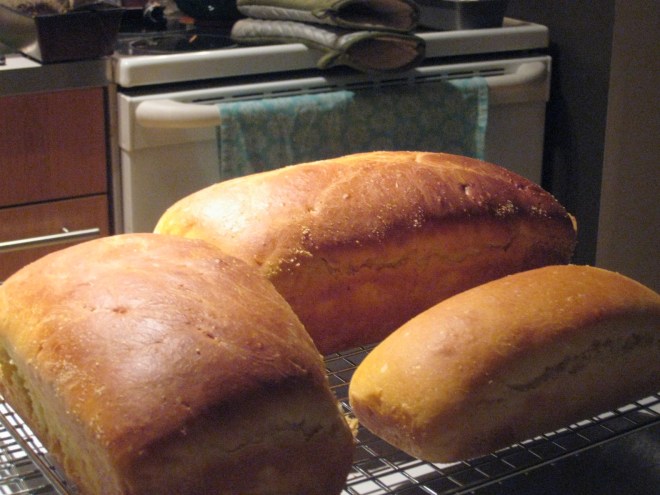
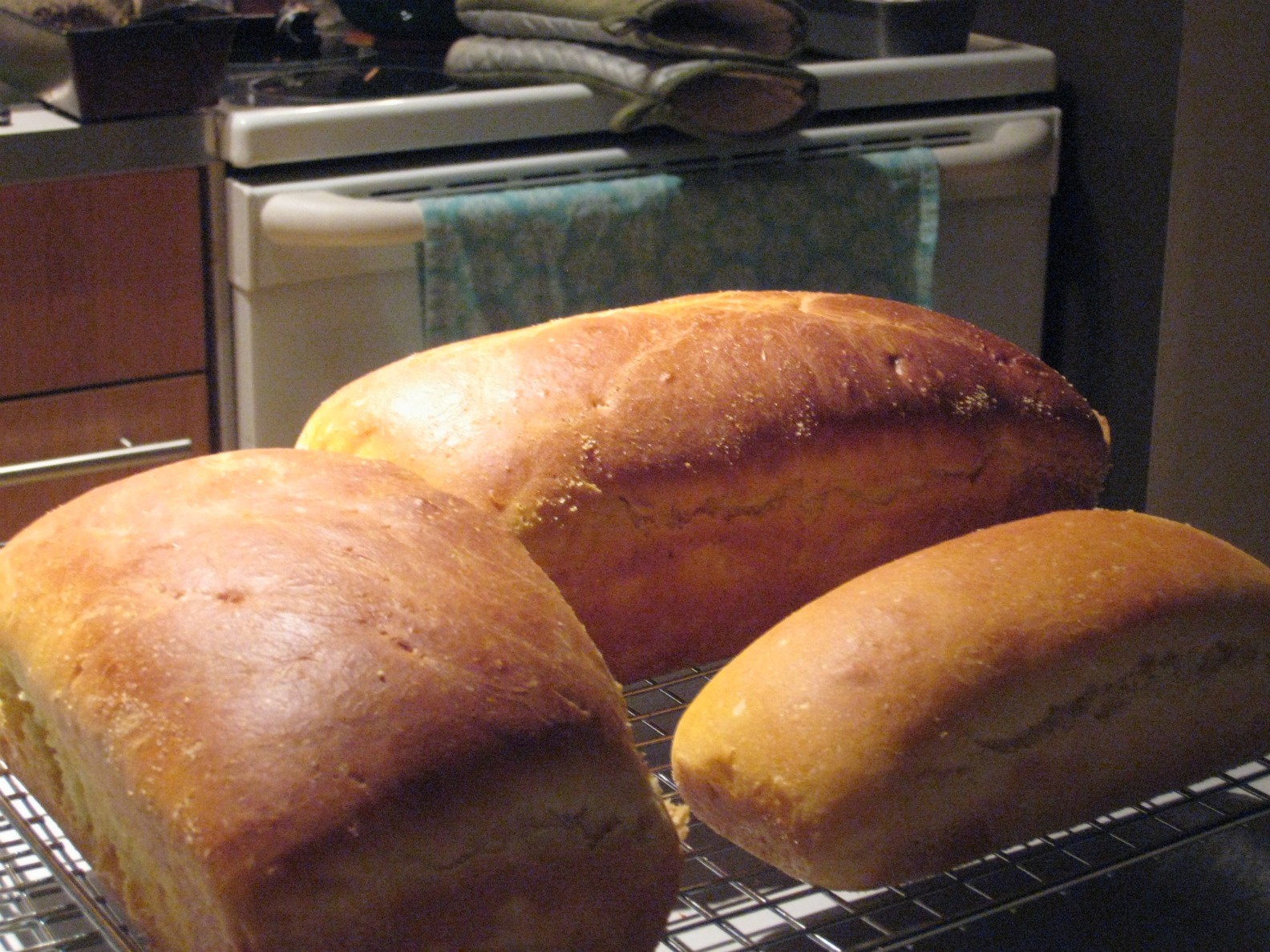
This sweet bread is one of our traditional Mennonite treats, hailing from the Ukraine where all my grandparents and my dad were born.  Growing up I always looked forward to it because we got to eat it for breakfast on Easter Sunday.  We typically ate really healthy breakfasts, so it was a big deal to have something sweet.  The bread itself is good, but the sierne paska, the spread you slather on top of each slice, is my favourite part.  Traditionally the paska was baked in large coffee tins, but I didn’t have any of those, so I just used loaf tins.  This recipe makes two loaves and a big batch of sierne paska, enough to top slices for both loaves.

We would typically leave the paska sitting out on a table, surrounded by decorated eggs, just because it looks pretty.  But, by Easter morning it would be all dried out – so I recommend storing it in a plastic bag before icing it, then ice it before you’re going to put it out, and cut right before serving.  People can slather on as much of the cheese spread as they want – mmmm, so good!

I’ve posted the recipe that my mom uses, but here are my Tante Katja’s recipes, in German.

What you need:

For the bread

1/2 teaspoon sugar

1/4 cup lukewarm water

1 (8 gram) package yeast

2 whole eggs

5 egg yolks

1/2 cup sugar

juice of 1/2 an orange

1 teaspoon salt

1 cup scalded milk, cooled to luke-warm

1/2 teaspoon vanilla

4 & 1/2 to 5 cups flour

1/2 cup butter, melted

fine bread crumbs

For the sierne spread

2 cups dry curd (farmer’s) cottage cheese

5 egg yolks, hard-boiled

1/2 cup cream, boiled and cooled

1/2 cup butter, room temperature

1/2 cup sugar

1/2 teaspoon vanilla

For the icing

1/4 cup butter

a tablespoon or two of cream or milk

icing sugar

What you do:

For the bread

1. Dissolve the sugar in the lukewarm water, then sprinkle the yeast on top.  Let it sit for 10 minutes – if it gets foamy you know you’re got live yeast.  If not, go get some new yeast before proceeding.

2.  Beat the eggs and yolks for about 10 minutes, adding the sugar gradually.  Add the orange juice, milk, vanilla and yeast mixture, and mix well.

3.  Gradually add the flour and butter, adding enough flour to make a soft dough.

4. Knead the dough for about 10 minutes, basically until the dough doesn’t cling to your hands any more.

5.  Lightly grease a large bowl and place the dough in it, turning the dough to coat it with a bit of the oil.  Place a clean tea towel over the top of the bowl and leave to rise in a warm place, about 45-60 minutes, or until doubled in size.  Punch it down and let it rise again for the same amount of time.

6.  Grease two bread pans (or coffee tins) and coat with the bread crumbs.  Divide the dough in half and form into a loaf with the edges tucked under, then place them into the pans.  The dough should fill the pan about 1/3.  Let the dough rise again, covered with the towel, until it just reaches the top of the pan.

7. Bake for 30 minutes at 350F.  Remove the paska from the tins and cool.  Then they will be ready to ice and show off!


For the sierne spread:

1. Press the cottage cheese and egg yolks through a fine sieve using the back of a wooden spoon.  Do this three times – it takes a bit of time and muscle, but it’s worth because it makes the texture very fine!

2. Cream the butter and sugar, then add everything else.

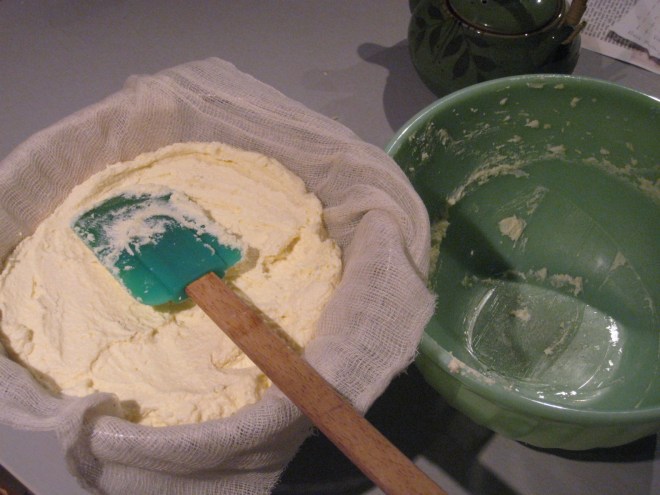
3.  Line a sieve with cheesecloth and place the spread in there.  Cover the top with plastic wrap and allow to drain in the fridge for a few hours.  (My mom says this is necessary, but there really wasn’t much liquid that drained out of mine, so I don’t think it’s essential.)

4. Invert the spread onto a plate so that it is a molded mound.  (In the photo I have it a bowl instead, but traditionally it is molded, usually in a pyramid shape)

For the icing

1. Cream the butter, then add a little icing sugar and cream, then a little more of each until you’ve got a soft icing.

2.  Top each cooled loaf with the icing, and add sprinkles if you like.

We seem to have fallen into a post-Easter coma.
Oatmeal Snacking Cake with Nutty Topping

Moist, nutty, and not as dense as you might think!  Another great recipe from Lottie + Doof, and if you need justifying you can say, “It’s good for me, it’s got oatmeal in it.” The cake is good, but for me it’s a vehicle for the topping, a German chocolate cake-style topping, all nutty and buttery – you can’t go wrong.

This one is pretty easy to make.

What you need:

1 cup quick cooking oats

3/4 cup water at room temperature

3/4 cup unbleached flour

1/2 teaspoon baking soda

1/2 teaspoon baking powder

1/2 teaspoon salt

1/4 teaspoon ground cinnamon

1/8 teaspoon freshly ground nutmeg

1/4 cup unsalted butter, softened

1/2 cup white sugar

1/2 cup brown sugar

1 large egg at room temperature

1/2 teaspoon vanilla extract

For the Icing:

1/4 cup packed light brown sugar

3 tablespoons unsalted butter, melted and cooled

3 tablespoons milk (I used soy creamer because it’s what I had)

3/4 cup sweetened, shredded coconut (I used unsweetened and it worked great!)

3/4 cup chopped pecans

What you do:

1.  Line an 8×8 inch baking pan with parchment paper, leaving a bit extra to stick up around the edges so you can grab onto it later. Preheat the oven to 350F.

2. Stir the oats and water together in a small bowl and let sit for about 15 minutes, until the water has been absorbed.

3. Put the flour, baking powder, baking soda, salt, nutmeg and cinnamon together in a bowl.

4. Beat the butter and sugars for a few minutes until it is “the consistency of damp sand.” (not my words, but that’s the way you want it to be)  Add the egg and vanilla and beat until combined.

5. Add the flour mixture to the butter mixture, stirring just until combined, then add the moist oats, and stir again until just combined.  Pour into the lined baking pan and bake for 30-35 minutes, or an inserted toothpick comes out clean.

6.  When the cake it baked, take it out of the oven to cool for about 10 minutes.  While you are doing this you can prepare the broiled topping.  It’s a good idea to melt the butter ahead of time, though, so you can do this while the cake is baking.

7. Add the milk, sugar and nuts to the butter and mix it all together.  Sprinkle it on top of the cake and press it down a little.  Put it under the broiler for 2-3 minutes.  Watch it carefully so it doesn’t burn!

8.  Let it cool for about an hour, then you can take it out of the pan by pulling on the parchment paper.

Lemon Olive Oil Coffee Cake with Cranberries and Raspberries

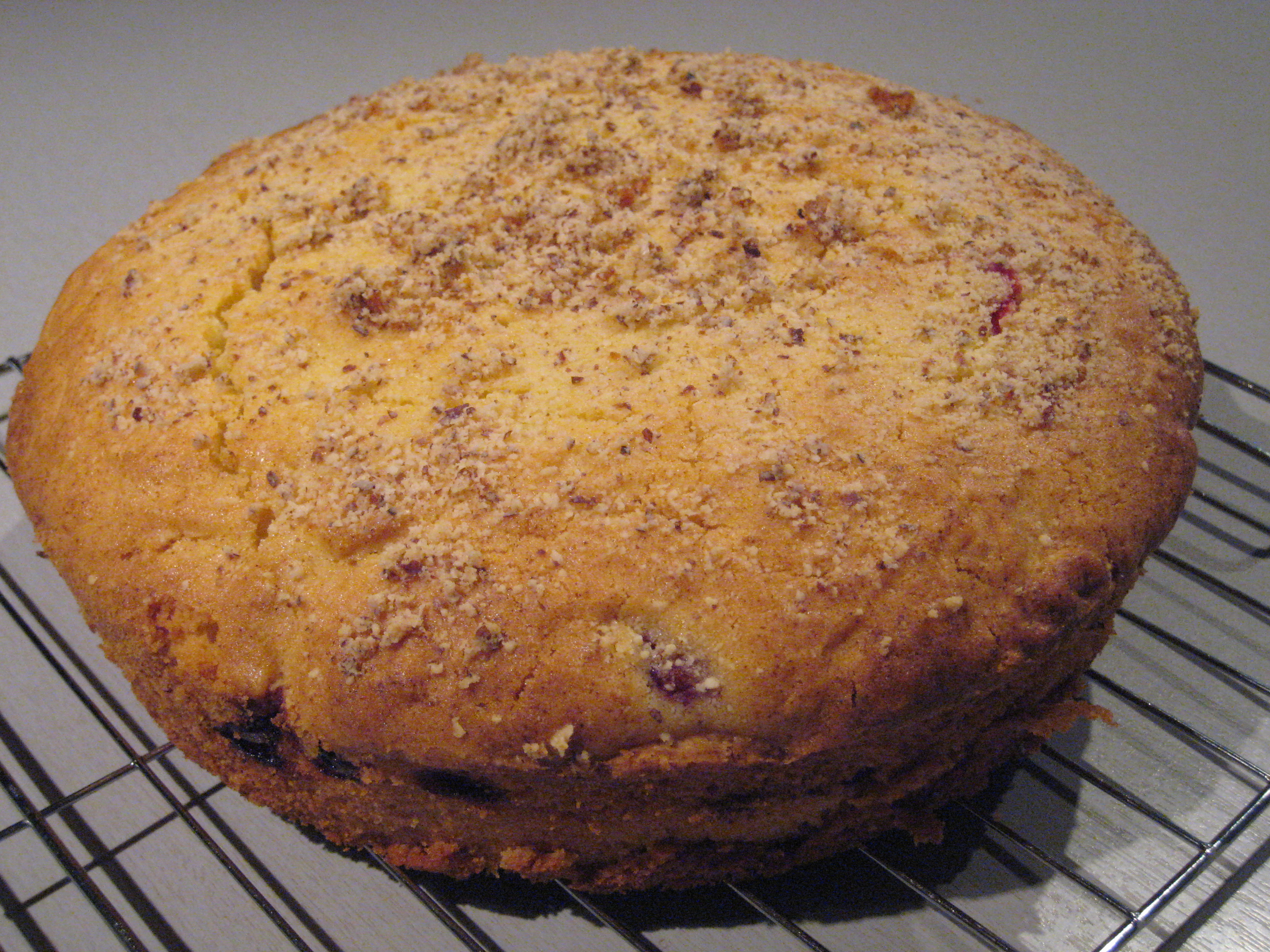
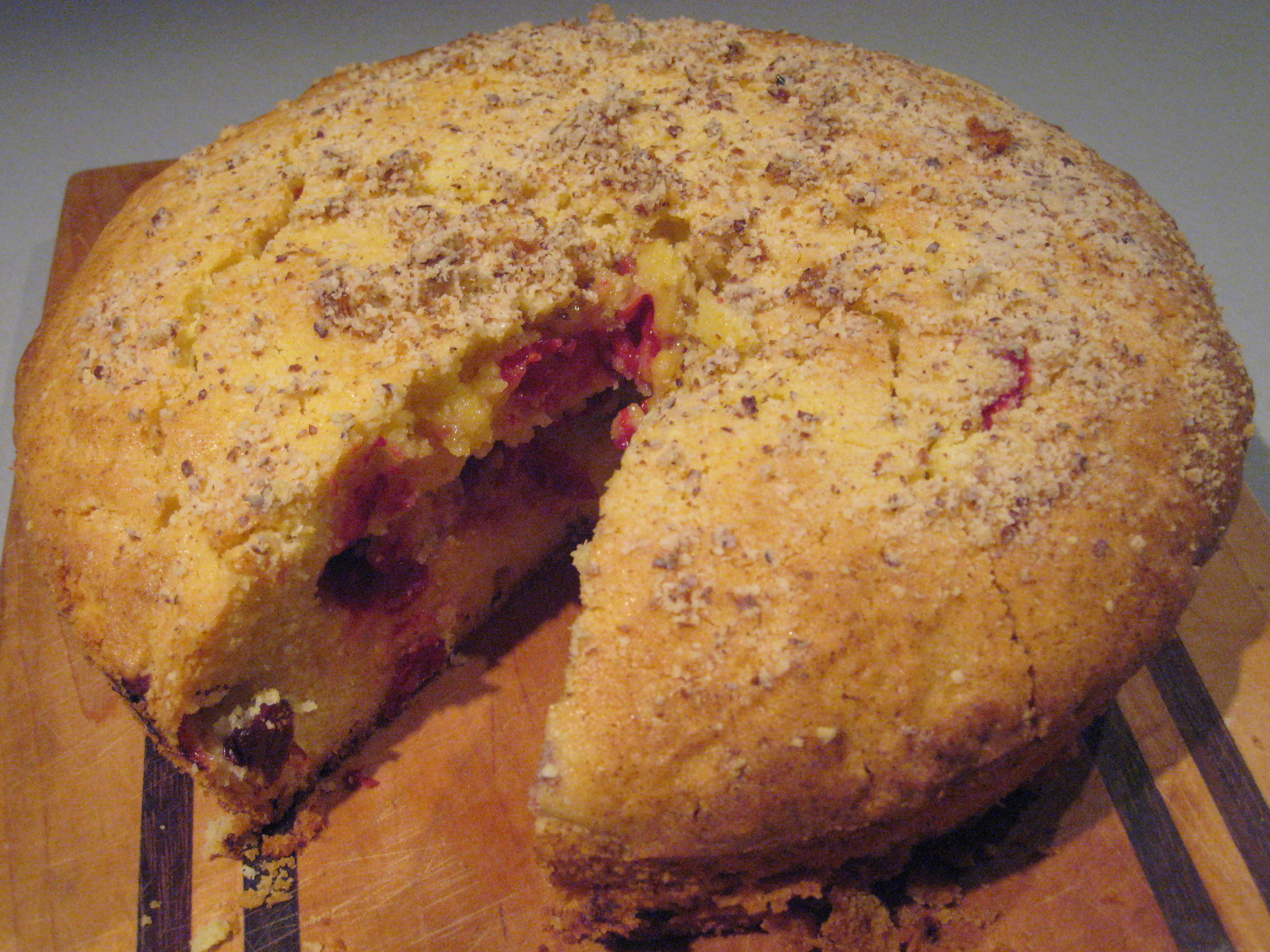
After browsing  the recipes on Lottie and Doof I chose to make this recipe for an afternoon tea cake.  I added a sprinkling of ground almonds on top, and used frozen cranberries and a few raspberries instead of the fresh fruit mentioned in the original recipe.  Love this cake, even after a bit of a mistake on my part – I baked it in an 8-inch pan rather than the 9-inch pan that the recipe called for.  I had to leave it in the oven a lot longer than the recipe called for, and even then it was a little soft in the middle – but still so good!  The outside was a little crispy, which I actually liked – some mistakes are worth making!

What you need:

200 grams granulated sugar (about 1 cup)

zest of 2 lemons

100 grams melted butter (just less than 1/2 cup)

200 grams olive oil (just less than 1 cup)

1 tablespoon lemon juice

250 grams all-purpose flour (about 2 & 1/2 cups)

1 & 1/2 teaspoons baking powder

1/2 teaspoon salt

4 large eggs

about 1-1 & 1/2 cups fruit (I used cranberries and a few raspberries, but be creative or use what you’ve got on hand!)

What you do:

1.  Line the bottom of a 9-inch round cake pan with parchment paper and preheat the oven to 350F.  Melt the butter and allow to cool a little.

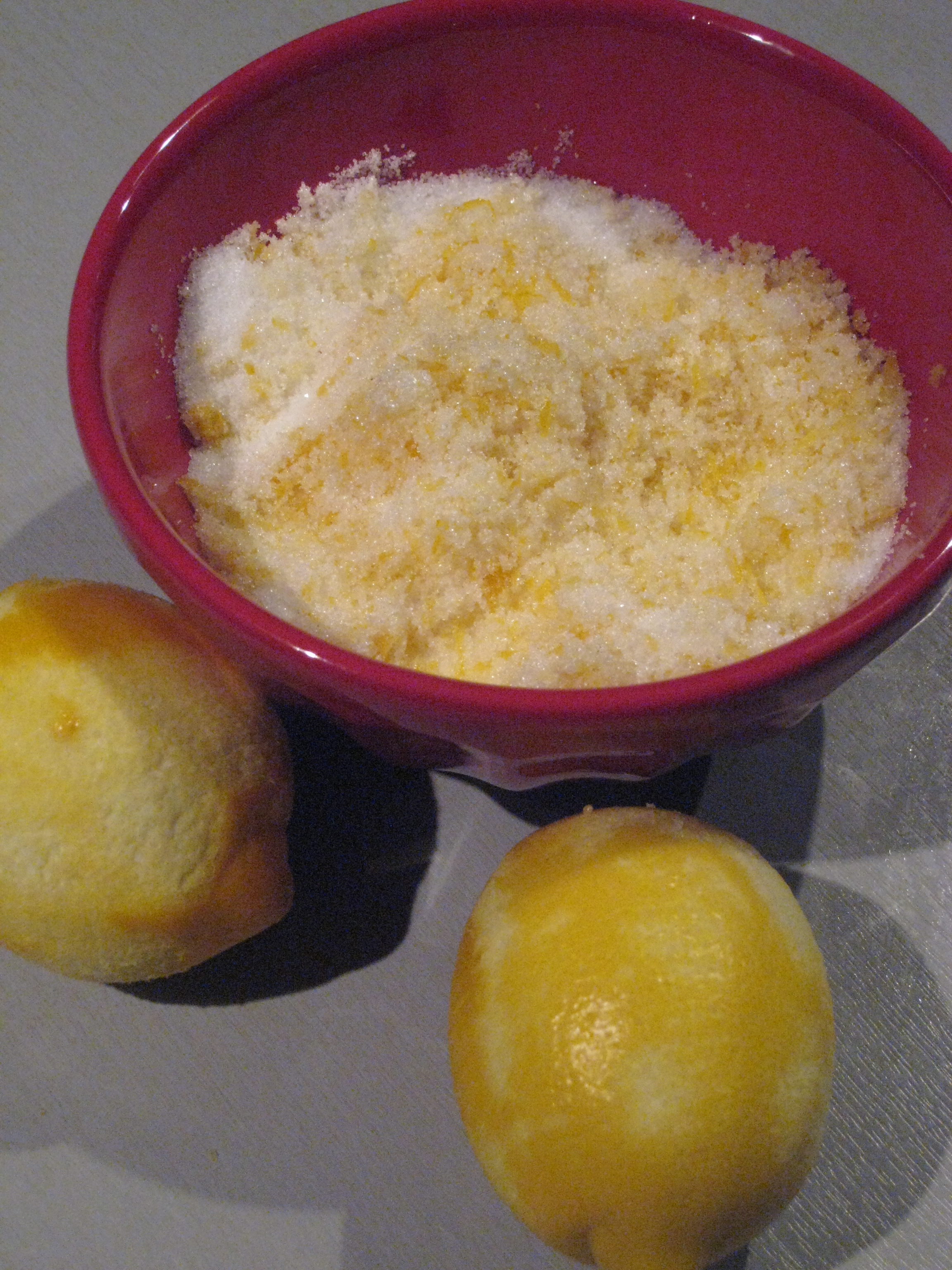
2.  Mix the lemon zest into the sugar with your fingertips to release the oils.

3.  Crack the eggs into a large bowl and mix them with the sugar and salt.  Beat with an electric mixer for quite a while, until it has about doubled in volume.

4.  Very gradually beat in the olive oil, butter and lemon juice.

5.  Fold in the flour and baking powder, being careful not to mix too much.

6.  Pour half the batter into the pan, put a layer of fruit down, then add the rest of the batter on top of the fruit.

7.  Bake for 35-40 minutes.  You can check it by inserting a toothpick and seeing if it comes out clean.  After cooling a bit you can remove it from the pan by running a knife around the edge and inverting onto a wire rack.

Oven-baked Onion Rings

I’ve been trying for a while to find the right way to do this.  I tried one recipe that had cornmeal, and they were awful and cardboardy.  And a lot of the recipes I googled were coated in potato chips – pretty much defeating the purpose of oven-baking.  I wanted them to be delicious AND healthy – too much to ask?  Apparently not!

I just did what I usually do with breaded foods, but I added some yogurt to the egg coating to make them a little more tender.  And yum, it worked!  And it’s easy!

What you need:

1 egg

2 tablespoons plain yogurt

1/3 cup breadcrumbs

salt and pepper

1 sweet or red onion

What you do:

1.  Crack the egg into a bowl and add the yogurt.  Mix well with a fork.

2.  Put the breadcrumbs in a bowl with some salt and pepper.

3.  Cut the onion into thick rings, about 2cm wide.

4.  Dip each ring into the egg mixture, then coat thoroughly with the breadcrumb mixture.

5.  Place the breaded rings on a baking sheet and bake for 15 minutes at 400F.  Flip the rings over and bake for another 10-15 minutes.  They are done when they are quite browned.

Serve with a yogurt dip.  I like to add a bit of dill, salt and pepper to some plain yogurt.  Adding some curry powder to the plain yogurt is nice too.

Amazing Chocolate Brownies. Truly.

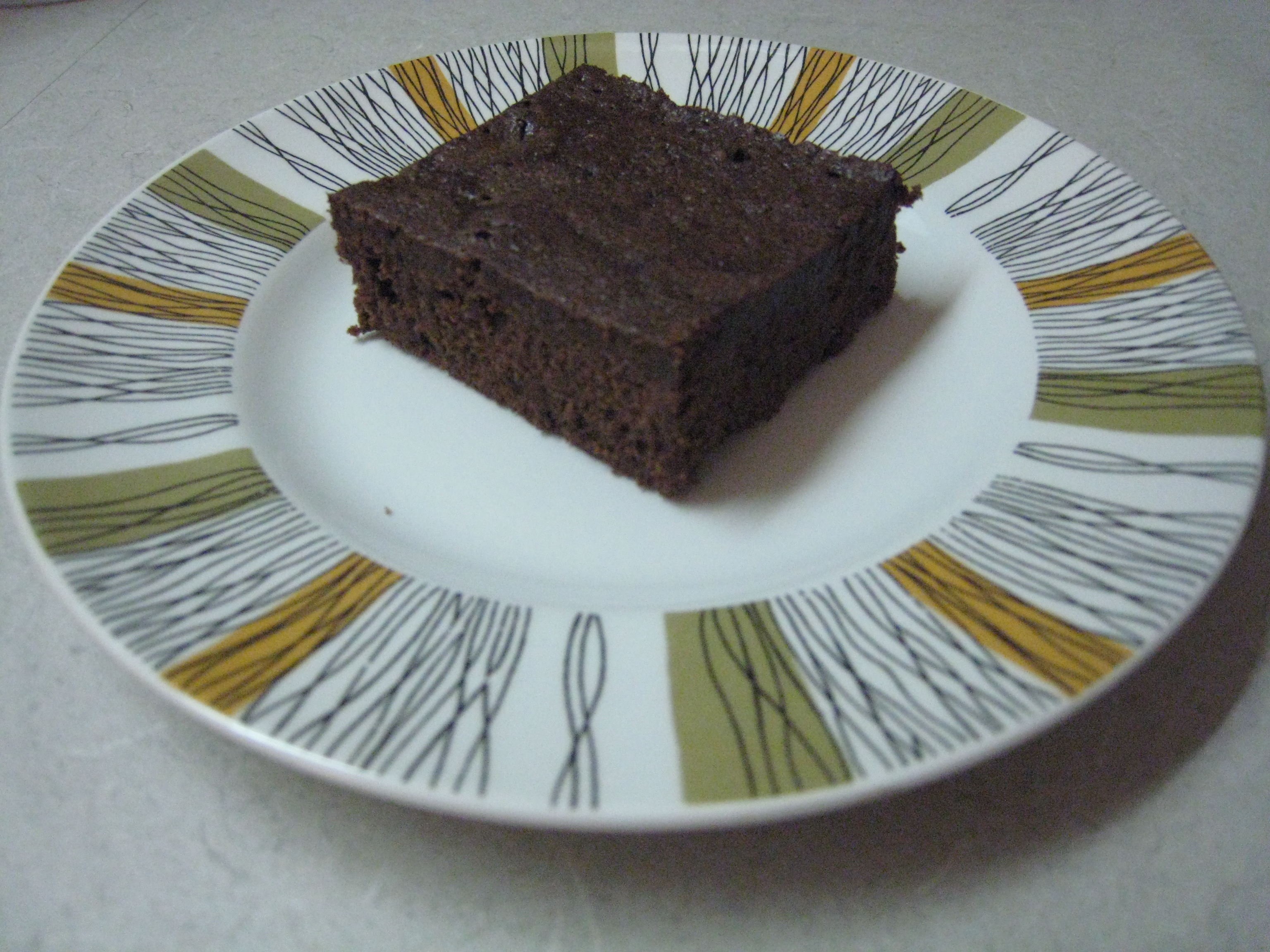
These Moosewood brownies are the best.  They’re an old standby – whenever I need a surefire easy recipe for chocolate lovers, this is the recipe I go to.  I’ve split the recipe in half, so it can be baked in a 9×9 pan, but feel free to double it to make a large pan.  Add your favourites – nuts, chocolate chips, or leave it to its pure chocolateyness.

Your house will smell heavenly if you bake this… mine does!

What you need:

2.5 ounces unsweetened chocolate

1/2 cup butter, room temperature

3/4 cup plus 2 tablespoons brown sugar

3 medium or 2 large eggs

1/2 teaspoon vanilla

1/2 cup flour

pinch salt

pinch cinnamon

What you do:

1.  Melt the chocolate and allow to cool for about 10 minutes.

2.  Cream the butter and sugar with an electric mixer until light in colour.

3.  Beat in eggs, one at a time, then beat in vanilla.

4.  Drizzle chocolate in and mix well as you pour it.

5.  Mix in flour with a wooden spoon, along with salt and cinnamon, and any extras like nuts or chocolate chips.

6.  Bake at 350F for 20 minutes.

Serve all by itself, with a dusting of icing sugar, with a dollop of whipping cream, drizzled with chocolate sauce, or with ice cream – any way you serve it, it’s gonna be good.  Especially if it’s still a bit warm!

Tante Katja’s Fruit Platz

In my cupboard is a little recipe box that belonged to my great-aunt, Katja, or Tante Katja, as we called her.  Most of the recipes are written in German, and with my limited knowledge of the language it’s been a little difficult to decipher them.  Since most of the recipes have no directions, I’ve taken a guess at the process, and altered the recipe a little.  I managed to figure this one out, a fruit platz, one of the most common Mennonite foods that I grew up eating.  It’s made up of a cake with fruit on top and sugary crumbs to top it off.  I remember eating plum and apricot platz, but in the middle of winter I couldn’t find any of those fruits, so I used some canned cherries.  Yum!

What you need for the cake layer:

1 &1/2 cups flour

2 &1/2 teaspoons baking powder

1/4 cup sugar

1/2 cup cold butter

1 egg

1 teaspoon vanilla

1/2 cup milk or cream

1/4 teaspoon salt

For the crumbs:

1/2 cup sugar

1/2 cup flour

1/4 cup + 2 tablespoons butter, room temperature

Plus fruit of your choice, a cup or two.  In my family traditional choices are fresh plum or apricot, but I used canned cherry.  Fresh is best, but if you’ve got some frozen fruits or canned, give them a try.  Just make sure that you drain them well, and don’t use something like frozen strawberries or raspberries that would be too juicy.

What you do:

1.  Combine the flour, baking powder and sugar in a large bowl.  Cut the cold butter in using a pastry cutter, fork, or your fingers.

2.  Combine the egg, milk, vanilla and salt, then add it to the dry ingredients using a wooden spoon.  If it’s too hard to get all the dry bits in, add a little more milk.  You’ll need to get in there with your hands and knead the mixture to get it all combined.

3.  Spread the thick batter into the bottom of a 9×9 inch pan.

4.  Spread the fruit over the batter.

5.  Combine the butter, sugar and flour for the crumb mixture, then sprinkle it on top of the fruit, using your fingers.

6.  Bake at 350F for 35-40 minutes.  It will be golden on the top, and you can check for done-ness using a  toothpick.

This one will cool in the pan, and you won’t remove it from the pan before cutting.  The crumb topping is crunchy and it’s best the day you make it, but of course it would still be good the next day.  It’s especially good served when it’s still a little warm.

That’s Tante Katja, standing on the highway