Mennonite Cabbage Borscht

Mennonite cabbage borscht - trust in kim

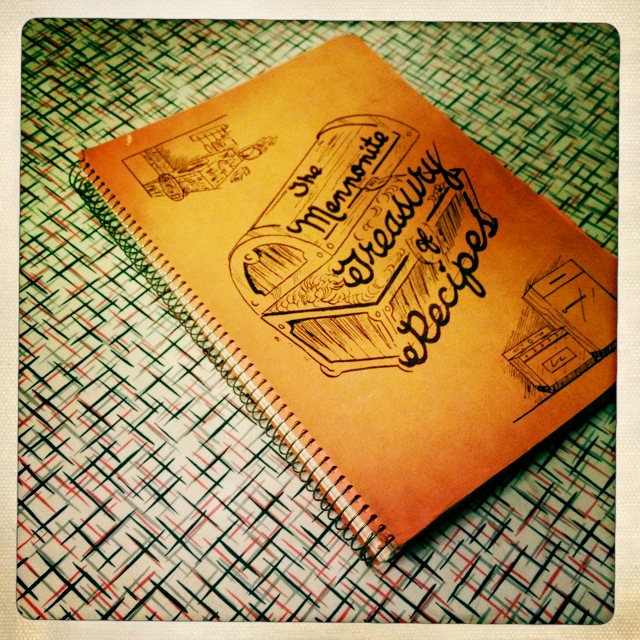
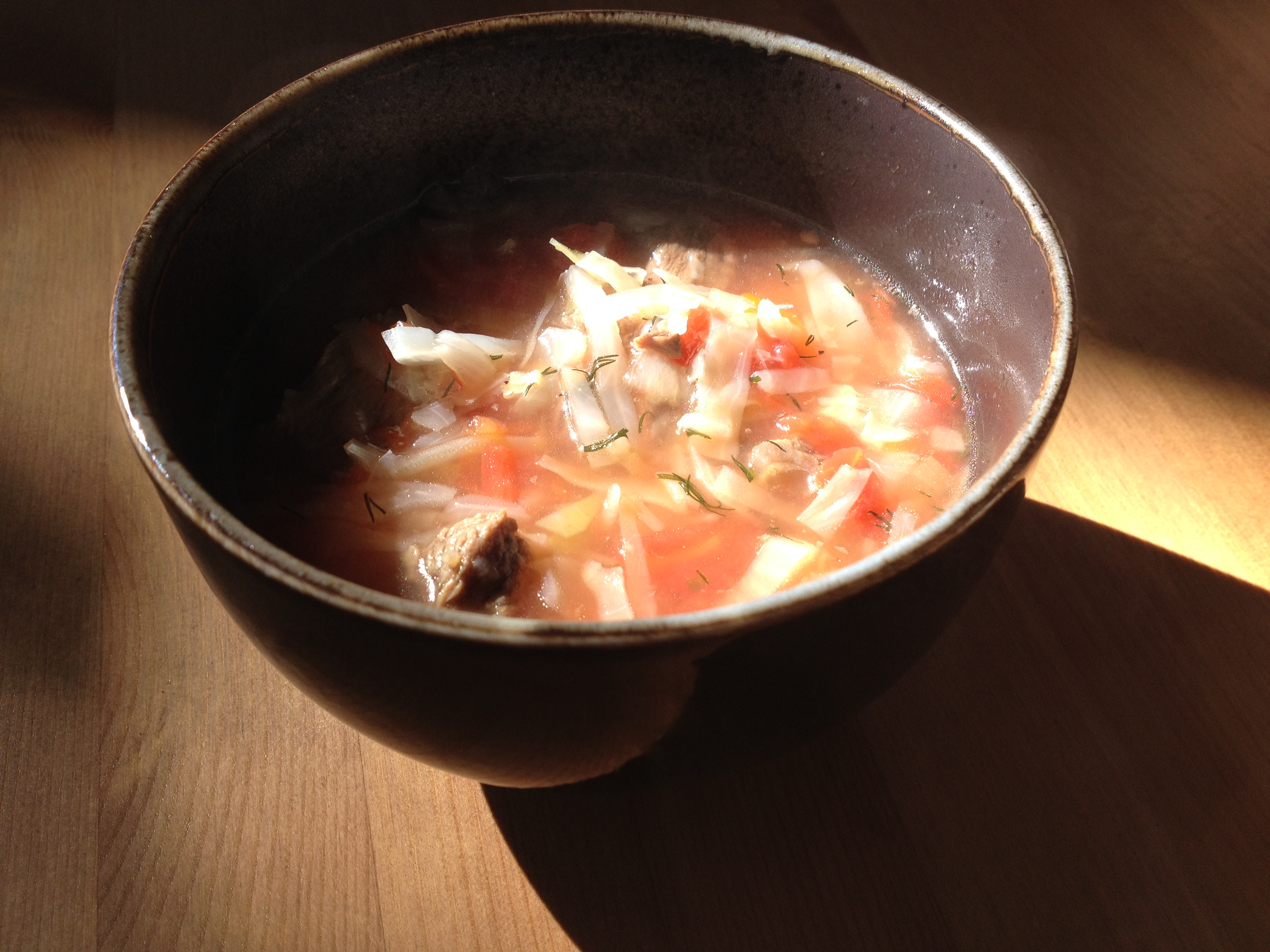
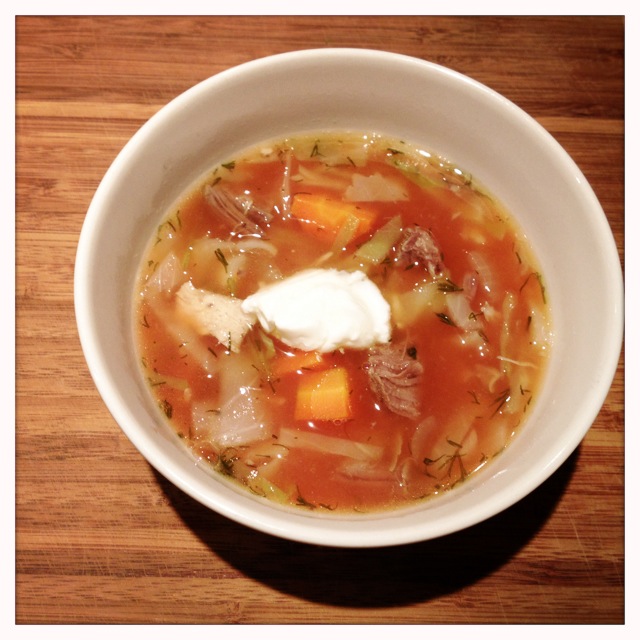
A little while ago I posted a recipe for my Mom’s borscht.  While this is a great soup recipe, I recently found out it’s not actually her recipe.  Oops!  So this is really my mom’s borscht recipe; it’s on the same page of  The Mennonite Treasury of Recipes, the bible of Mennonite cooking.  The real difference is that this one has a can of tomato soup; not very old-world traditional, but it’s the yummy soup I grew up with.  A lot of people think borscht has beets, but the beetless version is part of the Mennonite culinary tradition.

My mom makes a few changes when she cooks it: she doesn’t always use potatoes, and she usually adds some carrots. As well, she doesn’t use cream, but adds yogurt while serving.

It is best to make the broth a day ahead of time so it can cool, and the fat can be removed.

What you need:

2 lbs of beef meat and bones (or a combination of beef and chicken)

1 large onion, chopped

1 small head cabbage

3 carrots, chopped

a few tablespoons of fresh dill

1 can tomato soup (I used Campbell’s)

salt to taste

plain yogurt for serving

What you do:

1. To make the broth, cover the bones and meat with cold water and bring to a low simmer.  Simmer for 2 to 3 hours.  Strain the broth and let it cool.   Remove the meat and pull it into bite-sized pieces.  Put the meat and broth in the fridge until you are ready to use it.

2. Remove the cold fat from the top of the broth and discard it.  Pour the broth into a large pot and bring it to a low boil.

3. Add the chopped onions, meat, cabbage, carrots and dill and let it summer until the vegetables are tender.

4. Add the tomato soup and let it heat, then add salt to taste.

5. Serve with a dollop of yogurt.

This soup freezes well, and makes a big batch for leftovers or for sharing.

Mennonite Treasury of Recipes -Trust in Kim

My Mom’s Mennonite Borscht – the best!

I absolutely love my mom’s borscht, and yet I have never tried to make it. (Update – oops, this isn’t actually her recipe! This one is good too, but here’s the link to the real deal.) There’s something special about having her make it, and then give me some in a jar to take home.  But I thought I should figure out how to make it, because one day, in a long long time, she’s not going to be making it any more.  Her recipe is from the old “Mennonite Treasury of Recipes,” in which the Mennonite ladies from across Canada contributed recipes.  The first printing was in 1961, and reprinted every year after. Until at least 1975 when mine was printed.  I had it handed down to me by a great-aunt.  The original recipe is called “Cabbage Borscht,” and it includes potatoes, which I left out.  I wanted to freeze some, and I don’t think potatoes freeze well.  I also prefer the taste  it without them. I also use yogurt for putting on top, rather than the cream the recipe calls for.  I added, like my mom, dill.

This borscht has no beets in it! I know, you might think this isn’t even borscht, but trust me, it’s the best kind.  I prefer it with beef, but you can use chicken if you want.  A combination of both is good, too.  I made the broth a day ahead so I could skim the fat off once it cooled, so you’ll want to factor the extra day into it.

What you need:

2 pounds beef bones with some meat on them

8 cups water

2 carrots, sliced into rounds

1/2 head green cabbage

1 medium onion, minced

1 teaspoon salt

1/2 star anise

3 allspice, whole

1 bay leaf

1 & 1/2 tablespoons parsley, chopped

2 tablespoons fresh or frozen dill (not dried! ew, it hardly tastes like dill!)

dash of pepper

1 -1&1/2 cups chopped tomatoes

plain yogurt

What you do:

1. Boil the bones in water for at least 1 & 1/2 hours. Add more water as it boils away. Remove the bones and meat, keeping the meat to add to the soup later.  Let the stock cool, then remove the fat from the top.

2. Bring the beef stock to a boil, then add the veggies and spices – everything except the salt, pepper, tomatoes and yogurt.  Cook until the veggies are tender.  Add the tomatoes and bring to a boil.  Add salt and pepper to taste.

3. Spoon some yogurt on top to serve.

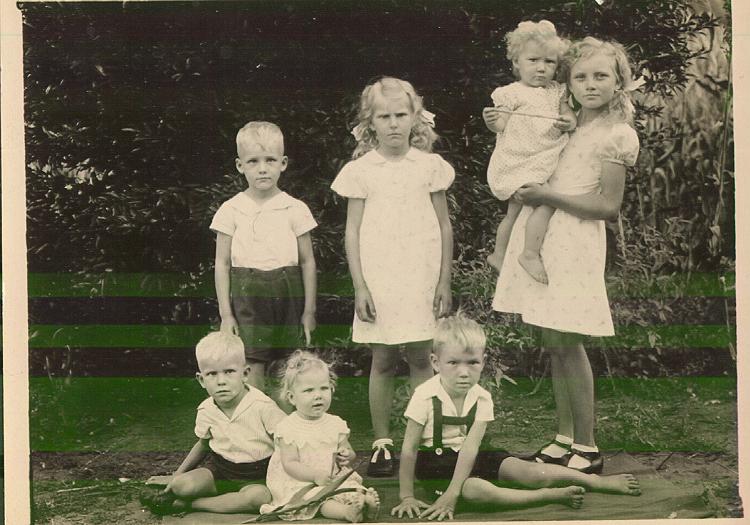
My mom (the little one being held) with her cousins in Paraguay. My grandparents moved there from Russia, and then to Canada.

Bienenstich or Bee Sting Cake


When I was growing up I attended a lot of Mennonite weddings and funerals, and this cake was always present, and always my favourite food.  There are three parts to this cake – light vanilla cake, a coconutty-buttery-almondy-sugary baked topping, and a whipped cream filling . . . decadent!  It’s a bit of work, but so worth it.  I made it for a party recently (not just for weddings and funerals!) and everyone raved about it.  I sure hope there’s Bienenstich at my funeral!

I found this version on the Mennonite Girls Can Cook blog.

What you need for the cake:

1/2 cup milk, scalded

1 tablespoon butter

2 eggs

1 cup sugar

1 teaspoon vanilla

1 teaspoon baking powder

1 cup flour

1/4 teaspoon salt

What you need for the topping:

1/4 cup melted chocolate

2/3 cup brown sugar

2 tablespoons cream

1/2 cup shredded coconut

1/2 cup slivered almonds

What you need for the cream filling:

1 cup whipping cream

1/2 teaspoon vanilla

1/3 cup icing sugar

2 tablespoons instant vanilla pudding mix, like Oetkers’s

What you do for the cake and topping:

1. Line an 8 inch square pan with parchment paper.  Preheat the oven to 350F.

2. Beat the eggs and gradually add the sugar, beating until it is thick and light in colour.  Mix in the vanilla.

3. Mix in the dry ingredients only until they are incorporated.

4. To scald the milk, first rinse your pot with a little cold water.  This should help avoid scorching the milk.  Then put the milk in, place on medium heat, and stir until the milk has almost boiled.  Add the butter to the scalded milk and stir until it melts.

5.  Slowly add the milk to the cake batter, and mix until incorporated.

6. Pour the batter into the lined pan and bake for 25-30 minutes, inserting a toothpick when you think it’s done to see if the toothpick comes out clean.

7.  Just before the cake comes out of the oven, melt the butter and mix together all of the topping ingredients.  Spread the topping over the cake, all the way to the edges.  Broil, watching very very carefully so it doesn’t burn! until the topping is bubbling.

8.  Let the cake cool, then remove it from the pan and put it in the freezer for an hour or so.  This will make it much easier to cut the top off to make room for the cream filling.

What to do for the filling:

1.  Add the sugar, vanilla and vanilla pudding mix to the whipping cream.  Beat it until it forms firm peaks

2.  Remove the cake from the freezer, then cut it horizontally.

3.  Spread the whipping cream onto the bottom layer, then place the top on the cream.

4.  Freeze the cake until you are going to serve it.  If you slice it while it is frozen it won’t squish all the cream out.  Then just let it sit for about half an hour before serving.  Of course, lots of people love eating it while it’s still frozen – they can’t wait for it to thaw, so yummy!

Oma’s Easter Eggs

My Oma always made Easter eggs the way she learned to do it in the Ukraine – paint the egg with wax, then dye it in onion skin water.  The eggs have a nice brown colour, with the bright white design.  I didn’t have the right tool for painting the wax on, so I did the Elementary School teacher trick – wrap it in rubber bands.  Not quite traditional, but it looks pretty!  This one is pictured along with chocolate eggs and Easter Paska.

What you need:

white eggs

rubber bands (or the thingy to paint the wax on)

brown skins from several onions

What you do:

1.  Boil the onion skins in a small post of water for about 20 minutes.  Remove the skins.

2.  Wrap the eggs with the rubber bands.

3.  Place the eggs in the pot of onion-skin water.  Bring to a boil, then remove from the heat.  Leave the lid on and let it sit for 13 minutes.  Put them in a bowl of cold water to cool them, then dry them off and show them off.

Voila!  Oma’s Easter eggs!

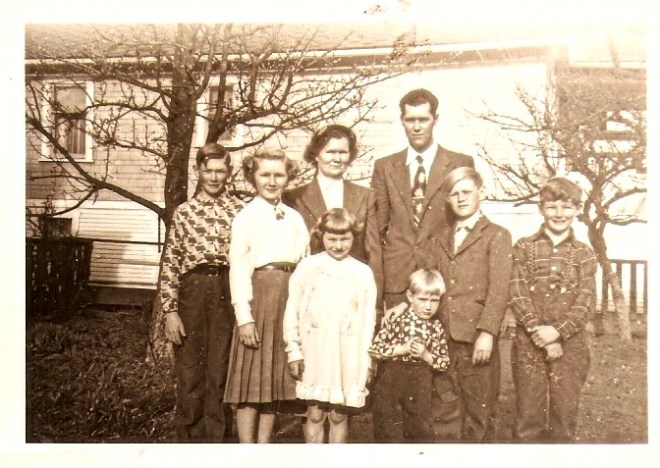
Oma and her family

Easter Paska

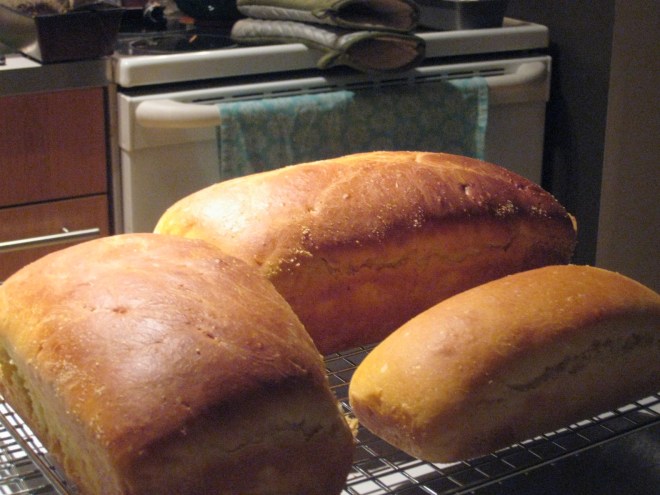
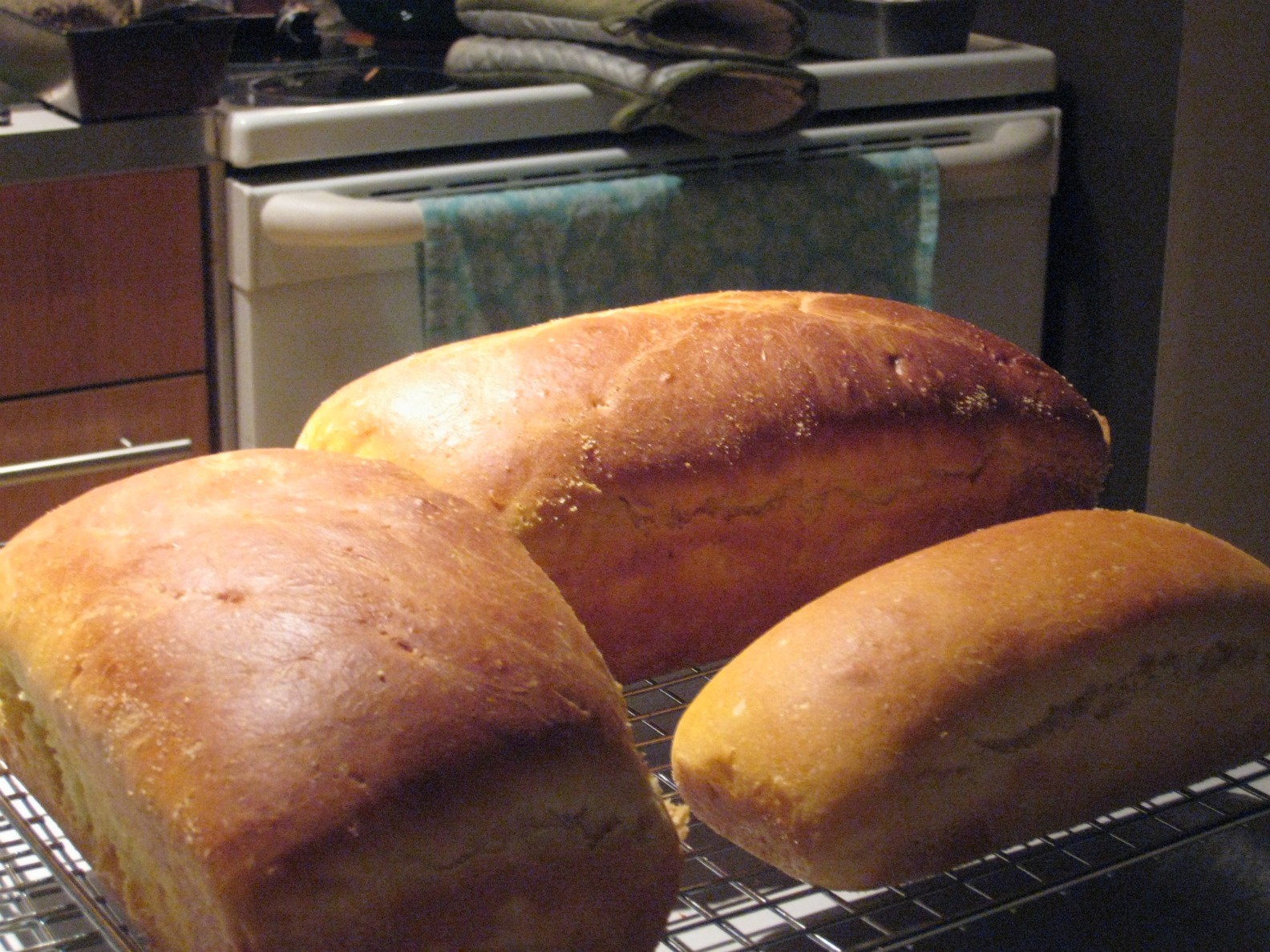
This sweet bread is one of our traditional Mennonite treats, hailing from the Ukraine where all my grandparents and my dad were born.  Growing up I always looked forward to it because we got to eat it for breakfast on Easter Sunday.  We typically ate really healthy breakfasts, so it was a big deal to have something sweet.  The bread itself is good, but the sierne paska, the spread you slather on top of each slice, is my favourite part.  Traditionally the paska was baked in large coffee tins, but I didn’t have any of those, so I just used loaf tins.  This recipe makes two loaves and a big batch of sierne paska, enough to top slices for both loaves.

We would typically leave the paska sitting out on a table, surrounded by decorated eggs, just because it looks pretty.  But, by Easter morning it would be all dried out – so I recommend storing it in a plastic bag before icing it, then ice it before you’re going to put it out, and cut right before serving.  People can slather on as much of the cheese spread as they want – mmmm, so good!

I’ve posted the recipe that my mom uses, but here are my Tante Katja’s recipes, in German.

What you need:

For the bread

1/2 teaspoon sugar

1/4 cup lukewarm water

1 (8 gram) package yeast

2 whole eggs

5 egg yolks

1/2 cup sugar

juice of 1/2 an orange

1 teaspoon salt

1 cup scalded milk, cooled to luke-warm

1/2 teaspoon vanilla

4 & 1/2 to 5 cups flour

1/2 cup butter, melted

fine bread crumbs

For the sierne spread

2 cups dry curd (farmer’s) cottage cheese

5 egg yolks, hard-boiled

1/2 cup cream, boiled and cooled

1/2 cup butter, room temperature

1/2 cup sugar

1/2 teaspoon vanilla

For the icing

1/4 cup butter

a tablespoon or two of cream or milk

icing sugar

What you do:

For the bread

1. Dissolve the sugar in the lukewarm water, then sprinkle the yeast on top.  Let it sit for 10 minutes – if it gets foamy you know you’re got live yeast.  If not, go get some new yeast before proceeding.

2.  Beat the eggs and yolks for about 10 minutes, adding the sugar gradually.  Add the orange juice, milk, vanilla and yeast mixture, and mix well.

3.  Gradually add the flour and butter, adding enough flour to make a soft dough.

4. Knead the dough for about 10 minutes, basically until the dough doesn’t cling to your hands any more.

5.  Lightly grease a large bowl and place the dough in it, turning the dough to coat it with a bit of the oil.  Place a clean tea towel over the top of the bowl and leave to rise in a warm place, about 45-60 minutes, or until doubled in size.  Punch it down and let it rise again for the same amount of time.

6.  Grease two bread pans (or coffee tins) and coat with the bread crumbs.  Divide the dough in half and form into a loaf with the edges tucked under, then place them into the pans.  The dough should fill the pan about 1/3.  Let the dough rise again, covered with the towel, until it just reaches the top of the pan.

7. Bake for 30 minutes at 350F.  Remove the paska from the tins and cool.  Then they will be ready to ice and show off!


For the sierne spread:

1. Press the cottage cheese and egg yolks through a fine sieve using the back of a wooden spoon.  Do this three times – it takes a bit of time and muscle, but it’s worth because it makes the texture very fine!

2. Cream the butter and sugar, then add everything else.

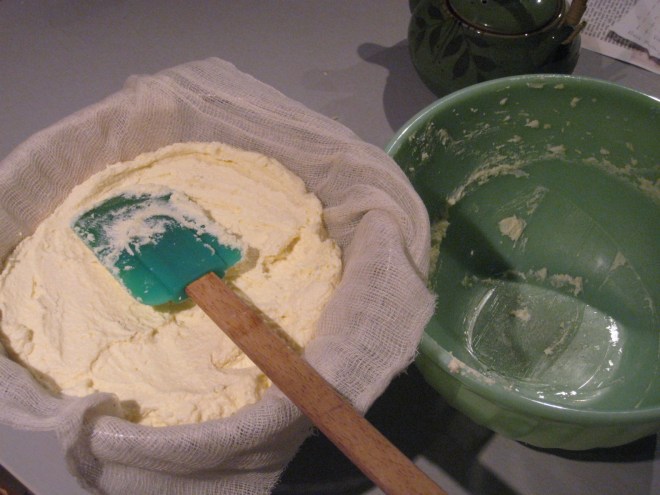
3.  Line a sieve with cheesecloth and place the spread in there.  Cover the top with plastic wrap and allow to drain in the fridge for a few hours.  (My mom says this is necessary, but there really wasn’t much liquid that drained out of mine, so I don’t think it’s essential.)

4. Invert the spread onto a plate so that it is a molded mound.  (In the photo I have it a bowl instead, but traditionally it is molded, usually in a pyramid shape)

For the icing

1. Cream the butter, then add a little icing sugar and cream, then a little more of each until you’ve got a soft icing.

2.  Top each cooled loaf with the icing, and add sprinkles if you like.

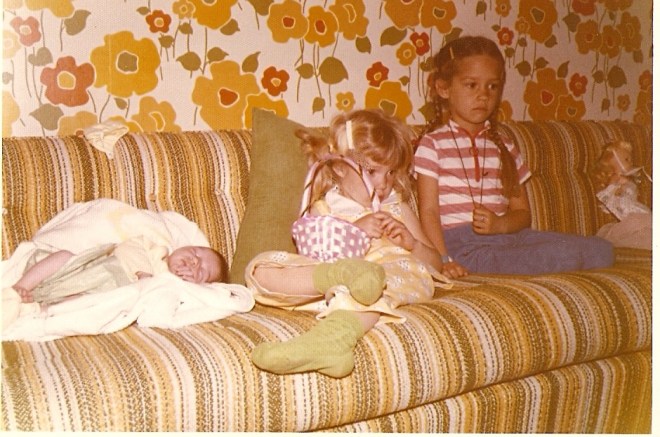
We seem to have fallen into a post-Easter coma.
Tante Katja’s Fruit Platz

In my cupboard is a little recipe box that belonged to my great-aunt, Katja, or Tante Katja, as we called her.  Most of the recipes are written in German, and with my limited knowledge of the language it’s been a little difficult to decipher them.  Since most of the recipes have no directions, I’ve taken a guess at the process, and altered the recipe a little.  I managed to figure this one out, a fruit platz, one of the most common Mennonite foods that I grew up eating.  It’s made up of a cake with fruit on top and sugary crumbs to top it off.  I remember eating plum and apricot platz, but in the middle of winter I couldn’t find any of those fruits, so I used some canned cherries.  Yum!

What you need for the cake layer:

1 &1/2 cups flour

2 &1/2 teaspoons baking powder

1/4 cup sugar

1/2 cup cold butter

1 egg

1 teaspoon vanilla

1/2 cup milk or cream

1/4 teaspoon salt

For the crumbs:

1/2 cup sugar

1/2 cup flour

1/4 cup + 2 tablespoons butter, room temperature

Plus fruit of your choice, a cup or two.  In my family traditional choices are fresh plum or apricot, but I used canned cherry.  Fresh is best, but if you’ve got some frozen fruits or canned, give them a try.  Just make sure that you drain them well, and don’t use something like frozen strawberries or raspberries that would be too juicy.

What you do:

1.  Combine the flour, baking powder and sugar in a large bowl.  Cut the cold butter in using a pastry cutter, fork, or your fingers.

2.  Combine the egg, milk, vanilla and salt, then add it to the dry ingredients using a wooden spoon.  If it’s too hard to get all the dry bits in, add a little more milk.  You’ll need to get in there with your hands and knead the mixture to get it all combined.

3.  Spread the thick batter into the bottom of a 9×9 inch pan.

4.  Spread the fruit over the batter.

5.  Combine the butter, sugar and flour for the crumb mixture, then sprinkle it on top of the fruit, using your fingers.

6.  Bake at 350F for 35-40 minutes.  It will be golden on the top, and you can check for done-ness using a  toothpick.

This one will cool in the pan, and you won’t remove it from the pan before cutting.  The crumb topping is crunchy and it’s best the day you make it, but of course it would still be good the next day.  It’s especially good served when it’s still a little warm.

That’s Tante Katja, standing on the highway

Oma’s Dill Pickles

Mmm, there’s nothing like biting into a crisp, cold pickle out of the jar.  I prefer homemade pickles, so I can make them a little less salty than the commercial ones, and a little spicier.

The main thing to remember when pickling is to keep everything clean to get rid of any bacteria.  To do this you can boil the jars in a canning pot, put them in the oven at 250 F for 20 minutes, or run them through a hot dishwasher.

What you need:

canning jars (20lbs of pickles makes 20-24 jars – prepare more jars and lids than you think you need)  Make sure you only use proper canning jars; reused jars like commercial jam or peanut butter won’t seal properly.  You can reuse the rings from year to year, but you need to use new lids so that they will seal properly.

lids

rings

large canning pot

Ingredients for 5-ish jars:

5 lbs pickling cucumbers

8 cups water

1 & 1/2 cups pickling vinegar

1/4 cup pickling salt (I couldn’t find any and used kosher salt this time)

1/2 cup sugar

dill (stems and flowers, not the green feathery parts you cook with)

horseradish

5 hot red peppers (thai work well)

5 cloves garlic

Here’s how you do it:

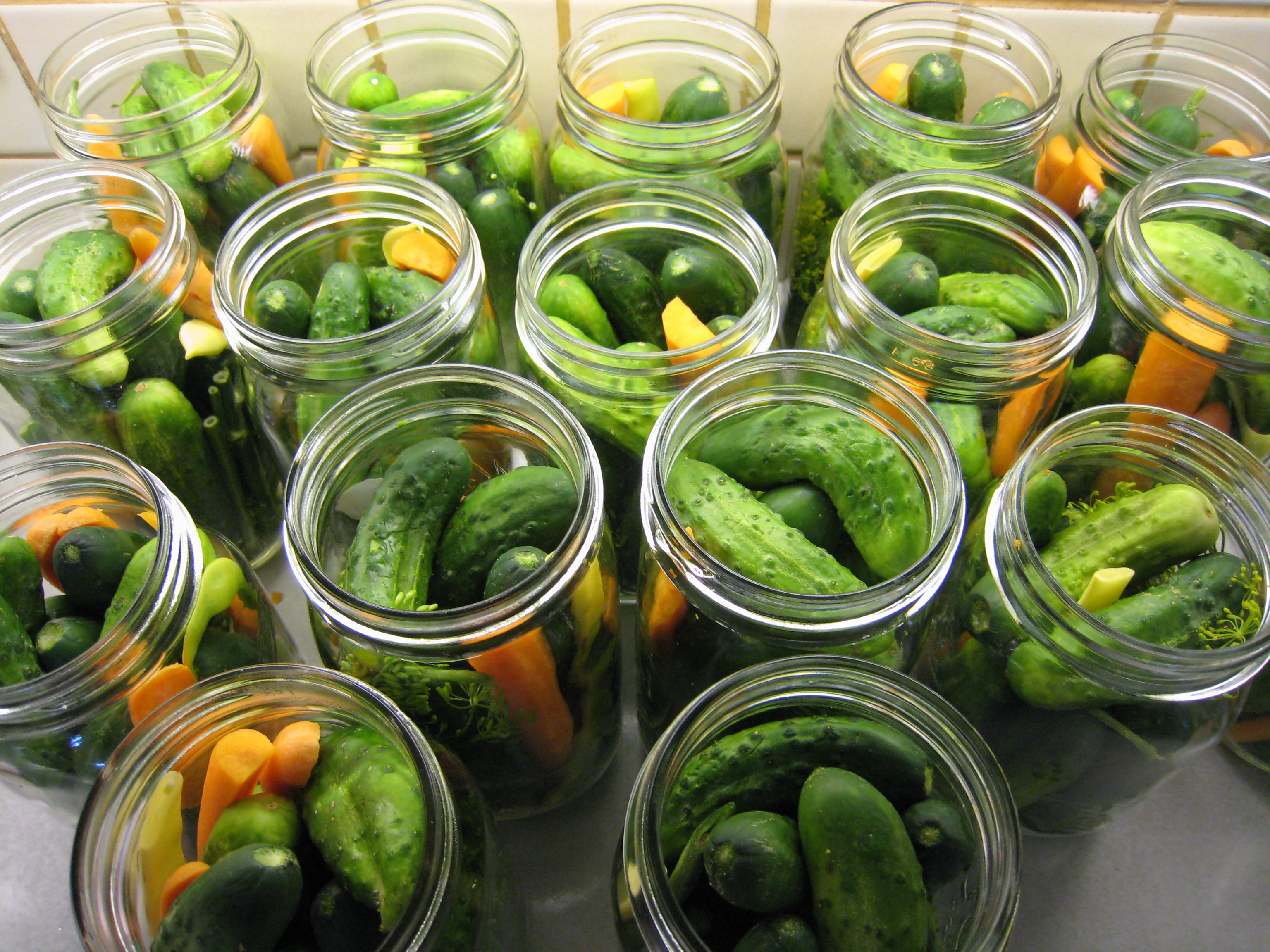
1. In each jar place some dill (I used one flower head and stalk cut up), a slice of horseradish, one pepper cut in half (don’t cut it if you don’t want the pickles to be very spicy), and one clove garlic.

2.  Cram as many clean cucumbers in as you can.  I usually start with a few big ones, and save the smaller ones to fit in between and on top.  Leave about 2cm of space between the cukes and the top of the jar.

3.  Heat brine to boiling, and make sure the water in the canning pot is boiling.

4.  Place new lids in a pot of water to heat for  a few minutes.  This sterilizes them and softens up the rubber, making it easier to get a seal.

5.  Fill each jar with brine, leaving a bit of space.  Place the lid and ring on each jar right away and tighten.  The canning pot I use fits seven jars, so I only filled seven at a time.  Place the jars in the canning pot, put the lid on and keep on high heat for just a few minutes; you don’t want to cook the pickles, so if it starts to boil you should remove them.

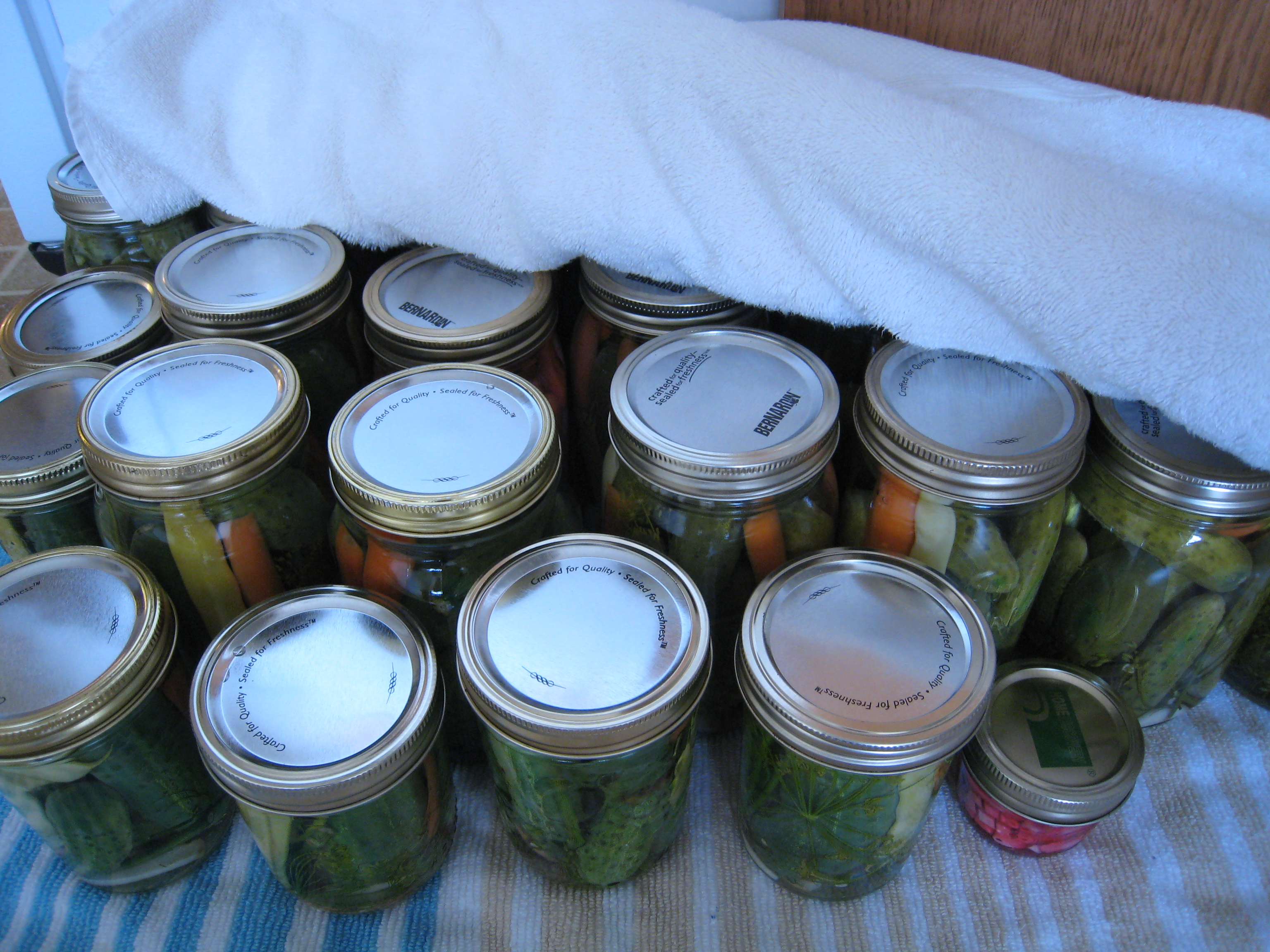
6.  Find a place where you can leave the jars untouched for 24-48 hours.  My Oma and Opa always put a towel on the top and bottom, so that’s what I do.

7.  Over the next day or so you’ll hear that popping sound that lets you know that your jars have sealed properly.  You can also tell they are sealed because the lid has curved down slightly, and it makes a high-pitched sound when you tap it with a spoon, instead of the dull sound of an unsealed jar.  If you happen to have one jar that doesn’t seal,  just keep it in the fridge until you are ready to use it.

8.  I usually wait about three months before I open my first jar.  After your first try at making these, you’ll get an idea of what you want to change to make the recipe suit your tastes.  Feel  free to comment and let me know what you did differently.

Some adaptations I’ve tried are:

no garlic

more or fewer peppers

a slice of carrot or yellow bean for colour

mustard seeds

Here’s a great link for canning info!

Oma’s Chicken Soup

There’s a tickle in the back of my throat and I’m doing my best to fight it off, so it’s time to turn to my Oma’s chicken soup for some healing.  At 98 years of age, she’s not making soup anymore, so I’ve gleaned her wisdom, and I’m doing my best to use the basic elements of her recipe.  Oma’s recipes are stored in her memory, not written down, so a recipe from her sounds like “a little of this, a bunch of that.”  Here’s how I make it, based on what my Oma has told me about how she makes her chicken soup:

Put the following into a stock pot:

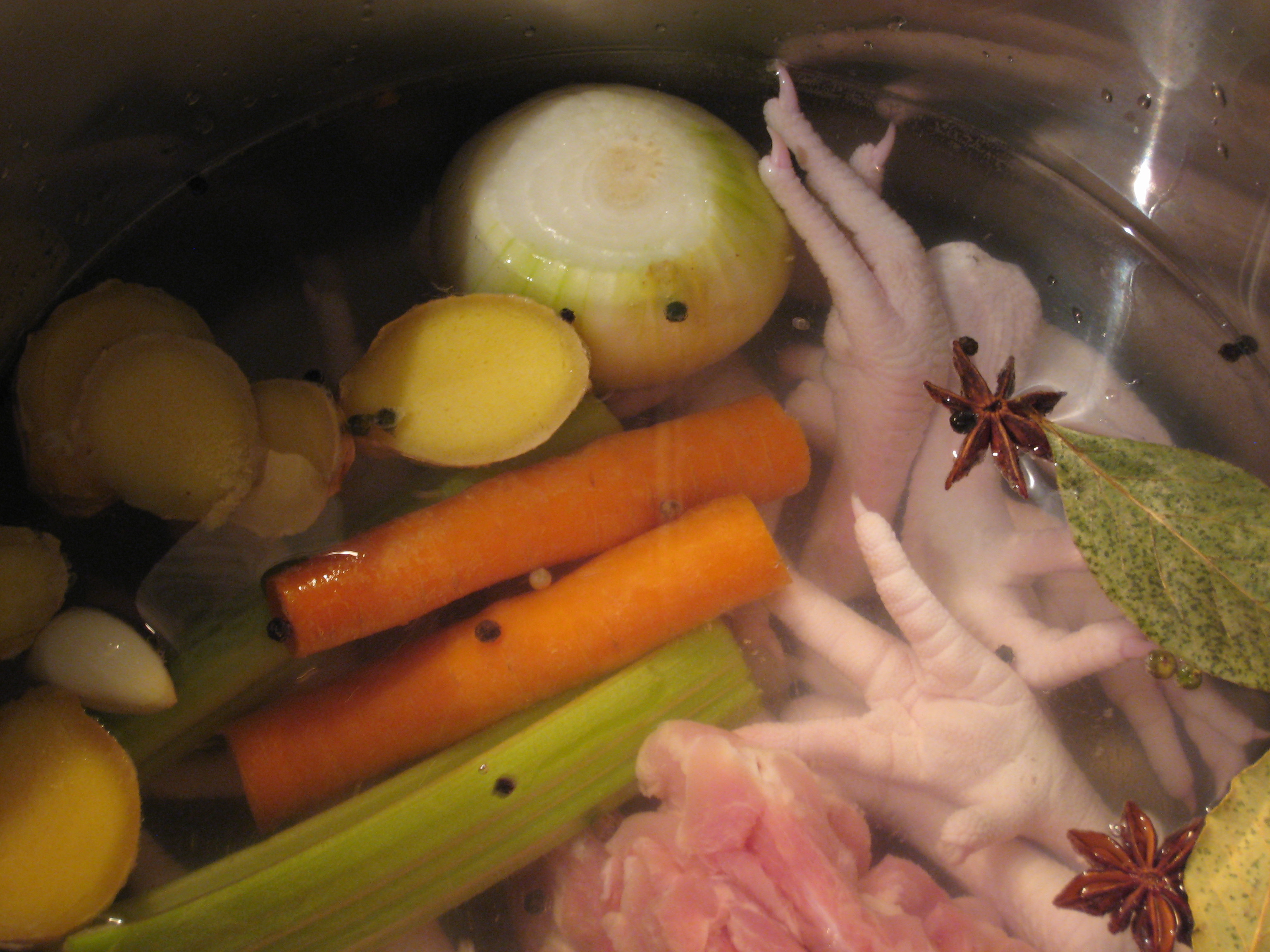
chicken backs and necks and feet (yes, feet!)

carrot (I used one)

celery (I used one stalk)

onion ( I used one, skin removed)

garlic (I used two cloves, but only because I was running out)

ginger (this is a key ingredient for fighting illness – I used about 1/4 cup or more sliced)

bay leaves (I used two.  I keep them in the freezer because I think they taste better when I  buy them fresh & then freeze them)

star anise (I used two)

peppercorns (I used about 2 teaspoons)

this time I added some parsley stems because I had them on hand, but it’s an experiment

sometimes I add an apple or sun-dried tomatoes, depending on what kind of flavour I want to impart, and what I have on hand

enough water to cover it all up

I never add salt to the broth – I wait until I use it in a soup recipe

When it’s all in the pot:

Now bring to almost a boil, lower the heat and let it simmer for hours – 4-5 if you’ve got the time.

To cool it I place the pot in a sink filled with cold water.

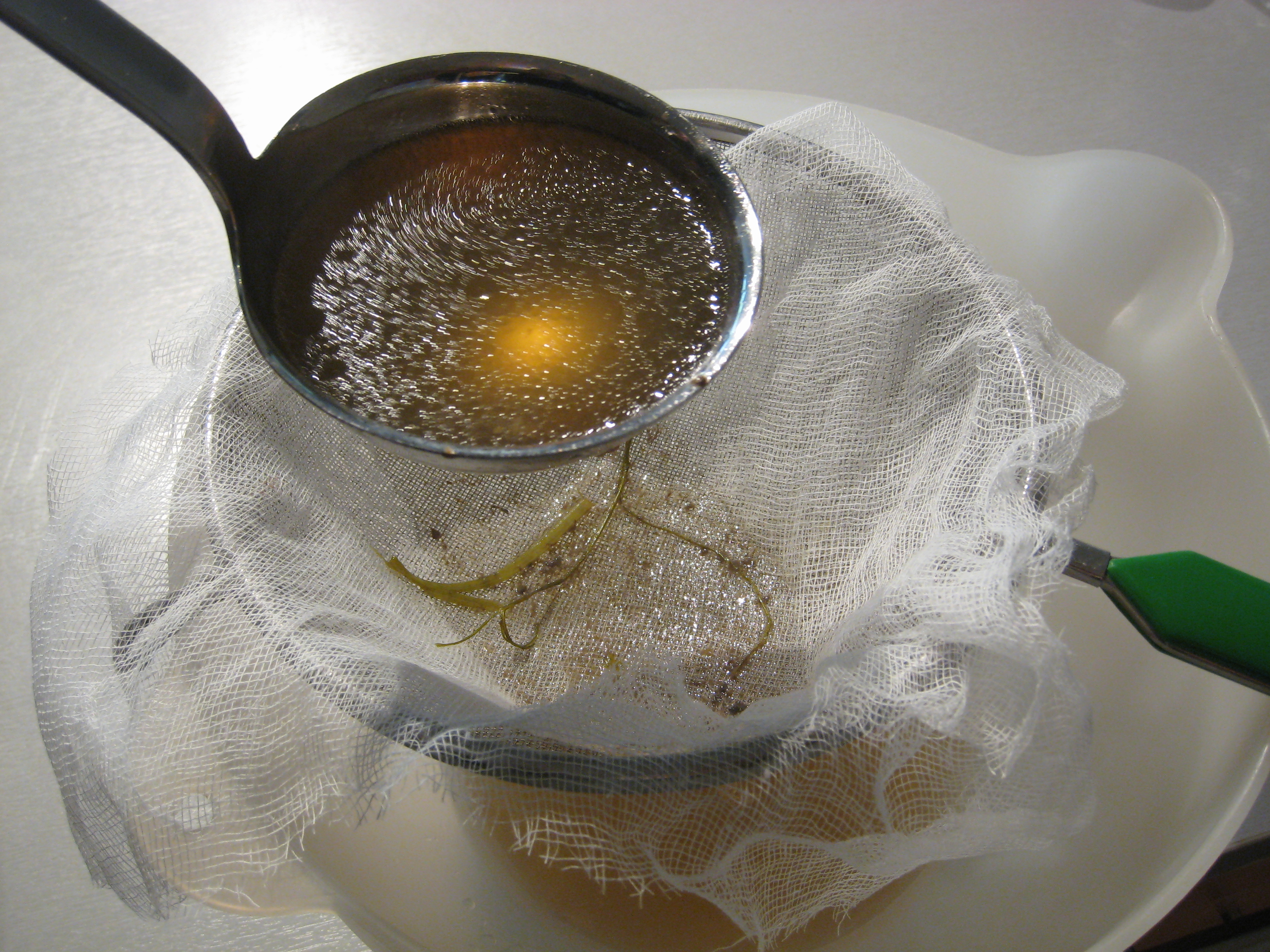
When it has cooled a bit I pour the liquid through a cheesecloth-lined sieve, and store the liquid in canning jars.  Refrigerate it until the stock is cold, then skim off the fat.  (My relatives would have saved this to make soap.  I just throw it away.)

I store some of the broth in canning jars in the freezer, making sure to leave some space for it to expand as it freezes – if you don’t do this you end up with broken jars and wasted broth.

When refrigerated, the best chicken soup broth will become gelatinous – all the chicken stock makers in my family, Oma, Tante Katje, and Mom, say that it’s really good for you.  No reasons why, it’s just “good for you.”

Oma served this with her homemade noodles – something I’ll try after the soup has healed me!