Whitewater Glory Salad Dressing

trust in kim - glory dressing

Yum! A friend recommended the Whitewater cookbook to me, so while waiting to get it out of the library, I did a search online.  I found this salad dressing recipe and made it up for my salad tonight.  I love the creaminess of it, and recall tasting a dressing like it once before in a restaurant, but couldn’t figure out how to replicate it.  I know that not everyone has nutritional yeast sitting around, but if you buy it you can also put it on popcorn (recipe to come!)

I find making salad dressing to be so easy, even one like this that requires a blender.  I like knowing exactly what is in the dressing, and I can add more or less of some ingredients if I want.  It always tastes better than the store-bought ones, doesn’t have preservatives in it,  and is way cheaper.

What you need (for a half recipe):

1/4 cup nutritional yeast

3 tablespoons tamari or soy sauce

3 tablespoons apple cider vinegar

3 tablespoons water

1 tablespoon tahini

1 clove garlic, crushed

1/2 cup vegetable oil

What you do:

1. Put all the ingredients except the oil into a blender and give it a good mix.  I used an immersion blender, so feel free to do the same.

2. In a steady slow stream, add the oil until it is all blended in.

Ready to go, although it’s great if you can let it sit a bit, or keep it in the fridge overnight.  A jar of it should last a few weeks in the fridge.


Roasted Butternut Squash, Cauliflower and Onions with Tahini Sauce

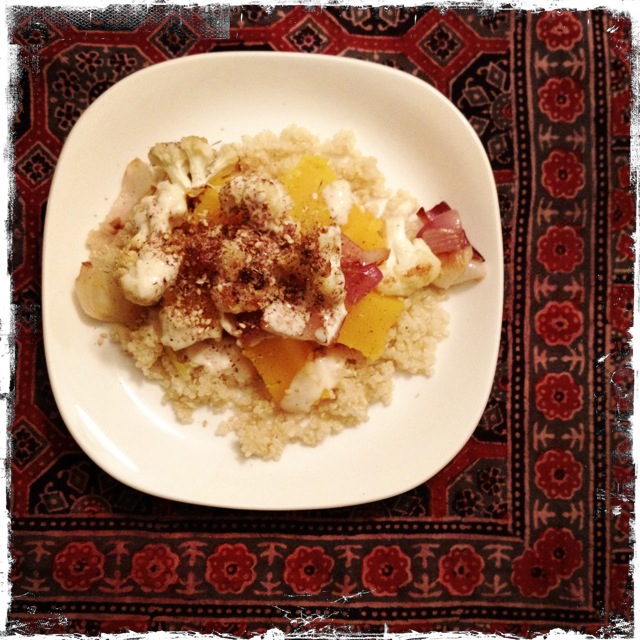
Roasted butternut squash, cauliflower and red onions with tahini sauce, za’atar and pine nuts: otherwise known as my new favourite meal.  And it’s vegan and gluten-free, and it’ll make you feel good on a rainy fall evening – at least it did for me!  And I’m really looking forward to my leftovers for lunch tomorrow.  I got the idea for the recipe from a  Yotam Ottolenghi recipe.  I added the cauliflower because I think it is perfect with tahini sauce, and I changed the cooking method a bit, cooking the squash before cutting it, because it’s easier to cut when it’s soft.  I also used my tahini recipe instead of his.

I served mine on quinoa to make it a filling meal, but it would be great on a bed of greens too.  Feel free to leave out the za’atar and pine nuts if you want, and garnish with some fresh pomegranate or parsley.

What you need:

1 butternut squash

1 head of cauliflower, cut into small florets

2 red onions, cut into large chunks

2 tablespoons olive oil

salt and pepper

For the tahini sauce:

1/4 cup tahini

1/2 clove garlic, minced

2 tablespoons lemon juice

1/2 teaspoon salt

dash of hot sauce

1/4 cup of warm water, or as needed

For the za’atar: (there are so many ways to make this, so make it up as you go along)

1 tablespoon ground sumac

1 teaspoon dried thyme

1/2 teaspoon salt

1 tablespoon ground sesame seeds

1/4 teaspoon ground anise or fennel seeds

What you do:

1. Preheat the oven to 425F.  To roast the veggies, first cut the squash in half and scoop out the seeds.  Place the two pieces face down on a baking sheet and roast for about half an hour or until you can pierce it easily with a knife.

2. Put the onions and cauliflower pieces on another baking sheet, and toss them with the olive oil and some salt and pepper.  Put them in the oven with the squash for about 25 minutes.  About half way through the roasting, give them a stir.  The cauliflower should be a little browned when it is done.

3. Combine the tahini, garlic, lemon juice, salt and hot sauce.  Add the warm water gradually, adding enough until the sauce is a consistency you like.  I like mine pretty liquidy, so I can drizzle it.  You can also adjust the lemon and hot sauce to your liking.  I usually add a little more lemon.

4. To make the za’atar just combine all the spices.  If you have them whole and want to grind them, it’s going to be even tastier.

5.  To serve, cut the squash into chunks and serve it on a bed of quinoa or greens, then top with some onion and cauliflower.  Drizzle with the tahini, pretty liberally, then sprinkle on some pine nuts and za’atar.

Enjoy!


Turkey and Hot Italian Sausage Meatballs

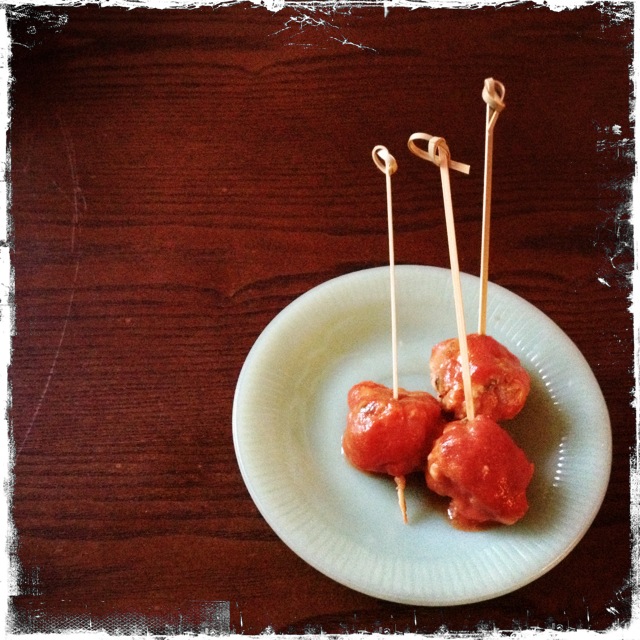
Looking for an appetizer and wanting to make something for the meat-lovers coming to visit, I decided meatballs were the perfect thing.  I thought about what I would love in a meatball, and decided to improve on what I’ve done in the past.  I combined some favourites that I thought would work well together – the spice of the hot Italian sausages, the lightness of the turkey, a punch of flavour from the sun-dried tomatoes, and then some pistachios for a twist.  I put it all into a homemade tomato sauce, which is so easy, and I cooked them for a long time to make the sauce really thick and to give the flavours time to mingle.

I served them on skewers for appetizers, and the leftovers made a great topping for spaghetti squash.  Of course you could always go with the standby comfort food, spaghetti and meatballs.

What you need for the meatballs:

400 grams ground turkey thigh

400 grams hot Italian sausage, removed from casings (or chorizo)

1 egg

1/3 cup fine breadcrumbs

1 tablespoon finely chopped sun-dried tomatoes (or oven-roasted)

1 tablespoon fresh basil, finely chopped

2 teaspoons fresh oregano, finely chopped

2 tablespoons unsalted pistachios,  finely chopped

1/3 cup finely grated parmesan

1/4 cup onion, finely chopped

1 teaspoon salt

1/4 teaspoon pepper

What you need for the sauce:

1 small onion

1 large can pureed tomatoes

3 tablespoons butter

a little red wine (optional)

a rind from parmesan cheese (optional but amazing! save your rinds for this purpose!)

salt and pepper to taste

fresh basil, optional

What you do:

The sauce can be made ahead of time and refrigerated or frozen until you need it.  The whole recipe can be made ahead of time and reheated.  I think it`s even better the second time around.

1. Start the sauce first by simply emptying the can of tomatoes into a pot, then adding the butter and the cheese rind.  Put the whole onion into the pot – it will simmer to add flavour, and you will remove it at the end.

2. Bring the sauce to a low boil, and simmer for 40 minutes to an hour.  Add a little red wine or water if it`s getting too thick.

3.  Remove the rind and the onion, and add salt, pepper, and the optional basil to taste.  If you think it needs it, you can add a little brown sugar to the tomato sauce.

4.  If you made the sauce ahead of time, heat it up in a large pot.

5.  Combine all the meatball ingredients together in a bowl. I mix it with my hands because I’m going to use my hands to make the meatballs anyways.  Don’t mix the meatball mixture too much, just until it is combined.

6. Drop the meatballs directly into the sauce, on a low simmer.  Try not to stir them until they’ve had some cooking time, so they solidify and won’t break as easily.  Spoon some sauce over the tops of the meatballs, so they are all covered.  Cook for at least half an hour, but preferably longer, until the sauce is nice and thick.

Serve on pasta, spaghetti squash, or on toothpicks as an appetizer.

Tomato Pesto

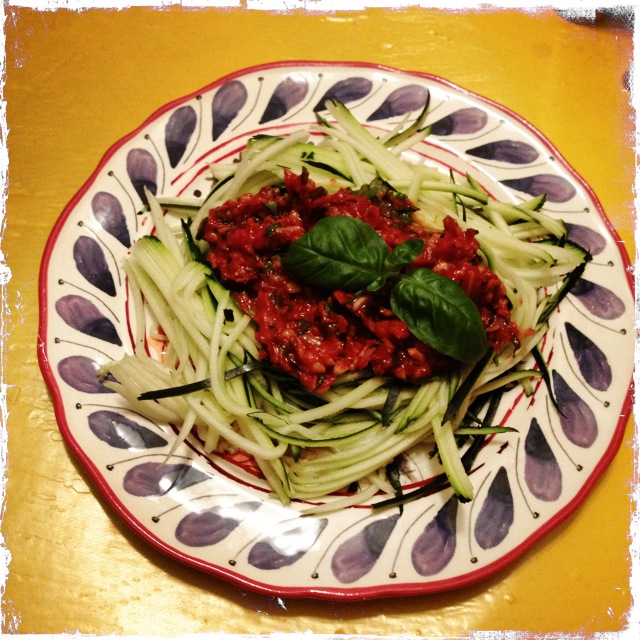
I haven’t made this in ages, but now that I’ve reminded my taste buds, I’ll be making it again soon.  This is a twist on traditional pesto, with a base of tomato.  It’s so easy to make, and works well on pasta, spaghetti squash, or steamed julienned zucchini, which is pictured.

What you need:

1/3 cup pine nuts, lightly toasted and chopped (use pumpkin seeds if you don’t like pine nuts)

1  small can of tomato paste

1/2 cup chopped cilantro

1/4 cup chopped basil

1/2 cup grated parmesan

2 cloves garlic, finely diced

1/4 cup olive oil

1/4 cup water

salt and pepper to taste

What you do:

1. Mix all the ingredients together.  If you have time, let it sit for about an hour.  If not, serve it on top of your favourite pasta or one of the other suggestions above.


Vietnamese Salad Rolls with Buckwheat Soba and Peanut Sauce

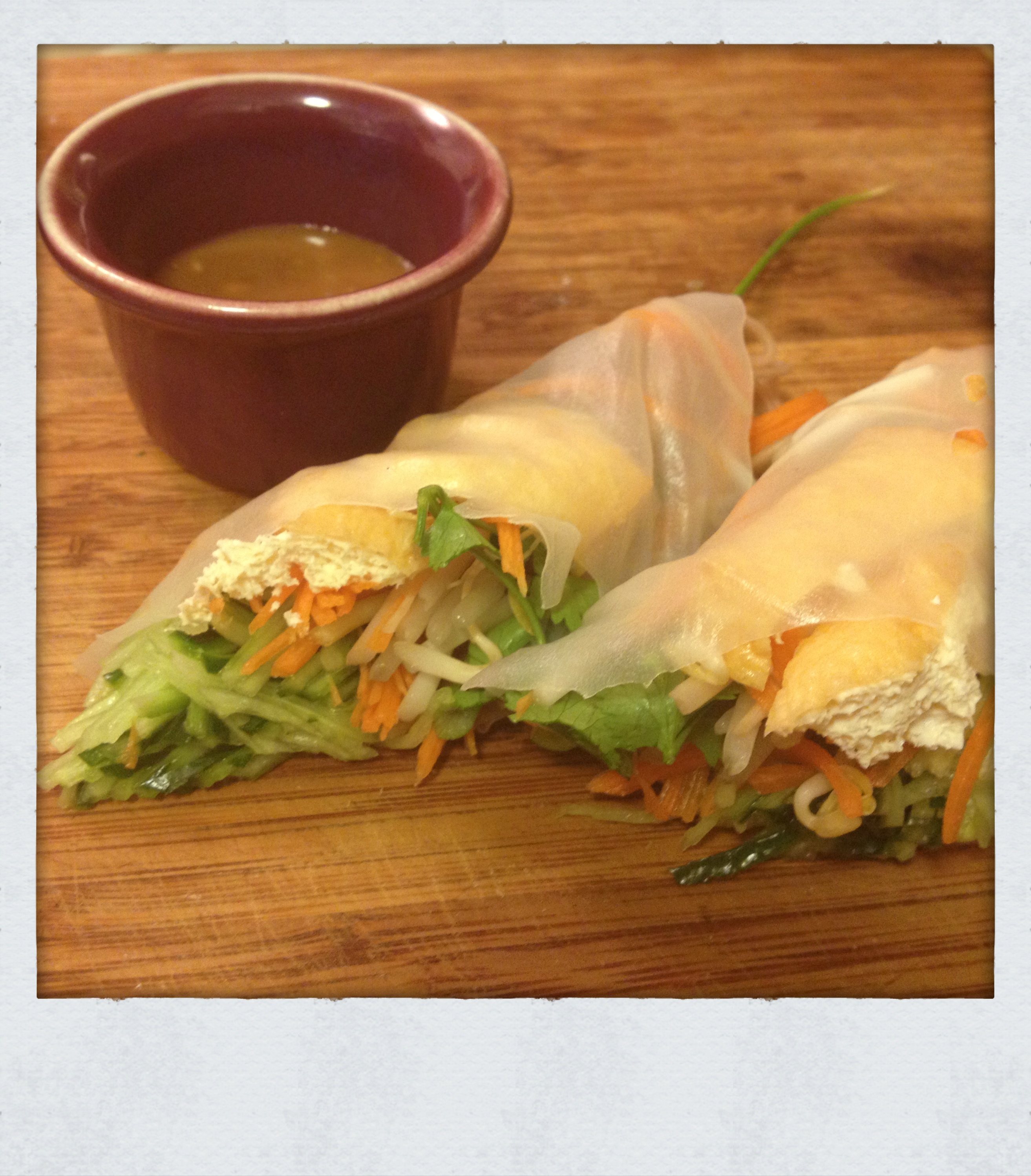
After a conversation with some Vietnamese friends about food, I suddenly had a craving for salad rolls.  They make a nice light meal, and they’re pretty easy to whip up.  I used buckwheat instead of rice noodles because I like them, and because I think they’re good for you. You can adapt the salad rolls in many ways, adding chicken or shrimp instead of tofu if you like. And if you really want to make it easy, forget about wrapping it, and serve it up in a bowl as a salad, with a little of the peanut sauce drizzled on top.

What you need:

buckwheat soba noodles, cooked and cooled

carrot, julienned

cucumber, julienned

puffed or smoked tofu, sliced

spinach or lettuce

cilantro

spring onion (optional)

rice paper wraps

For the peanut sauce:

1/4 cup unsweetened peanut butter

1 & 1/2 tablespoons soy sauce

1 teaspoon sesame oil

2 teaspoons rice wine vinegar

1 & 1/2 teaspoons grated ginger (I keep it in the freezer so it grates easily)

1 clove garlic, finely chopped

2 tablespoons honey

a little hot sauce or chili flakes

2-4 tablespoons water to thin it down to the consistency you like

What you do:

1. Cook the noodles according to the package instructions, then run them under cold water and let them cool down.

2. To make the sauce, combine the peanut butter with the soy sauce, then add the rest of the ingredients, mixing it up until there are no lumps of peanut butter left.

3. Have all the filling ingredients ready to go before getting the rice wrappers ready.  To prepare the wraps, just put some hot water in a shallow dish, and let the rice paper sit in the water for about 10 seconds.  When it is pliable, remove it carefully from the water and place it on your working surface.  Place some spinach/salad in a strip down the middle, then add the rest of your fillings.  Don’t use too much filling or you won’t have an easy time closing it up.

4. To wrap, fold the bottom edge up a little, then fold one side of the wrap over the filling.  Now roll it up.

5. Serve it up with the peanut sauce, and you’ve got a great meal or appetizer.

Watermelon Salsa

What you need:

1 cup tomatoes, diced

1 cup watermelon, diced

1/4 red onion, finely diced

1 jalapeno pepper, finely diced, seeds removed unless you like it really hot

2 tablespoons diced cilantro

salt

1 freshly squeezed lime

a few dashes of hot sauce

What you do:

1. Cut up tomato and watermelon into chunks of about 1 cm.

2.  Add everything else and let it sit for at least an hour. Have a taste and see if you need to adjust add more salt or hot sauce.

Ready to go!

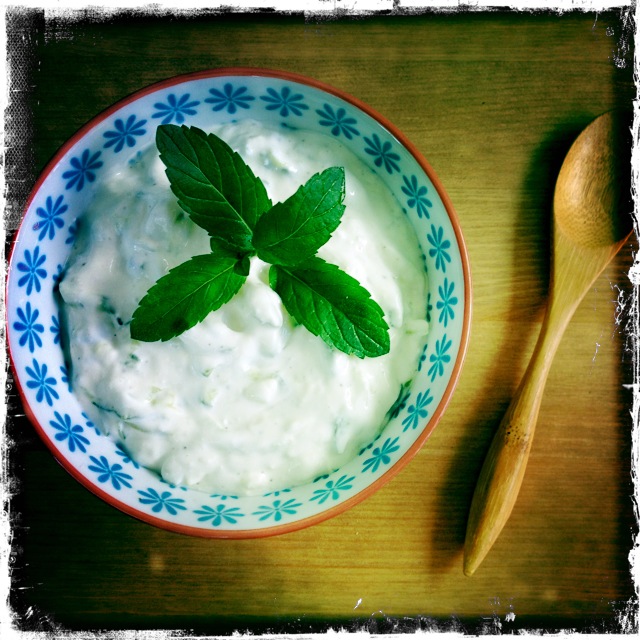
Easy Homemade Tzatziki

Easy and delicious, that’s what this homemade tzatziki is!  I use my homemade yogurt for it, and strain it to make a Greek yogurt.  It’s great for dipping lightly grilled pita, and for souvelaki.  You just have to plan a few hours ahead so you can strain the yogurt, unless you’ve bought some already thick Greek yogurt.

What you need:

2 cups yogurt, not low-fat

cheesecloth for straining

1 clove garlic, minced (or more if you like it really garlicky)

1/2 english cucumber, grated

salt and pepper to taste

fresh mint, optional

What you do:

1.  Line a sieve with cheesecloth and place the yogurt into the cheesecloth.  Refrigerate for a few hours or over night to and allow it to drain.  Pour off the liquid that is drained.

2.  Grate the cucumber and squeeze it so you get as much liquid out of it as you can.

3.  Add the garlic, salt and pepper to taste, and optional mint.  Mix it all up.

I like it best when it’s not served straight out of the fridge, so if you keep it in the fridge, you might want to take it out a little while before serving.

Cilantro Pesto

Often, when I don’t know what to cook, I open up my Rebar cookbook.  I’ve tried a lot of the recipes, loved a lot of them, but only blogged a few.  This pesto is a nice change from the usual, with cilantro, pumpkin seeds, lime juice and jalapeno peppers.  I served it tossed with some baked spaghetti squash, but it would also be great on regular pasta. This recipe is half the original, and makes about 2/3 cup of pesto, plenty for a few people.

What you need:

1 bunch clean cilantro, stems chopped off

1/4 cup toasted pumpkin seeds

1/4 jalapeno pepper, chopped with seeds

1 garlic clove

2 teaspoons fresh lime juice

2 tablespoons grated parmesan or asiago cheese

1/8 teaspoon salt

2 tablespoons olive oil

What you do:

1.  Toast the pumpkin seeds slightly in a dry frying pan.  They toast really fast, so just turn the heat to medium-low and shake them around every half a minute or so.

2.  Put all the ingredients except the olive oil into a food processor.  I just have a little handheld one, and that works fine. Puree until everything is chopped to little bits.

3.  Pour in the olive oil, a little at a time, until it is combined.

Ready to go!

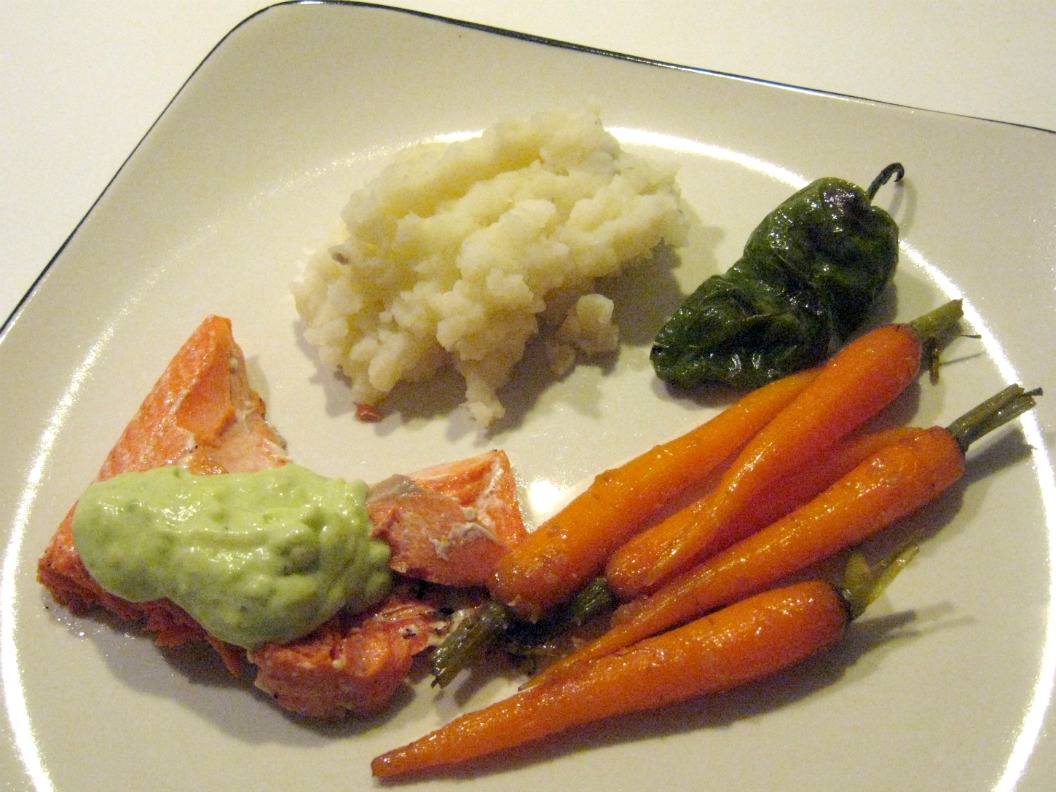
Avocado Yogurt Dressing

Served on salmon this simple dressing was delicious.  It would also be great as a veggie dip.   I found the recipe in Mark Bittman’s How to Cook Everything.  I only made half of this recipe for a salmon dinner because Bittman said it doesn’t keep well . . . and he was right.  It tastes fine the next day, but it turns a little brownish, so it’s probably a good idea to make a half recipe unless you’ve got a big crowd to eat it up for you.

What you need:

1 large ripe avocado

1/4 cup freshly squeezed lemon juice

1/4 cup freshly squeezed orange juice

1 teaspoon lemon zest

2 teaspoons minced shallot or sweet onion

1/2 cup plain yogurt

salt and pepper to taste

What you do:

1.  Scoop the avocado flesh along with the lemon and orange juices into a food processor or blender.  Puree.

2.  Add the remaining ingredients and puree again, tasting to see if you need to correct the seasonings.

Savoury Pancakes II, Leek Pancakes with Mushroom Sauce

Mm, they were so good last time I had to try another version of these.  This time they’ve got leeks in them, and they are topped with a creamy vegan (or not) mushroom sauce.  Brunch, dinner, an appie – these are good anytime!

What you need:

4 eggs, separated

1 cup flour

1 & 1/3 cups cottage cheese

salt and pepper

1 leek, sliced

butter for frying

grated parmesan for serving (optional)

For the mushroom sauce:

2 shallots, finely diced

2 cloves garlic, finely diced

10-12 button mushrooms (or any others of you’ve got some fancier ones)

a few leaves of fresh sage, chopped (a little thyme would work well as a substitution)

2 tablespoons butter plus some for cooking the shallots and mushrooms

2 tablespoons flour

1/2-3/4 cup soy milk (or regular)

1/3-1/2 cups white wine

2-3 tablespoons cream cheese/ soy cream cheese (optional)

salt and pepper

What you do:

1.  To begin the mushroom sauce, heat a frying pan, add a little butter and cook the shallots for a minutes.  Then add the garlic and mushrooms and fry until the mushrooms are cooked through.  Set aside.

2.  Heat the butter, then add the 2 tablespoons of flour.  Cook for a minute or two, then gradually add the soy milk (or regular milk), stirring each time you’ve added a little, making sure it doesn’t get lumpy.  Before it gets too runny begin adding the wine, a little at a time.

3.  Add the mushroom and shallot mixture to the cream sauce, then add salt and quite a bit of pepper to taste, along with the sage.  Set this aside, reheating just before serving.

4. To begin making the pancakes,  heat a frying pan and add a little butter, then the leeks, and cook for a few minutes.  Remove from the heat and allow the leeks to cool a little.

5.  Beat the egg whites until they are very fluffy and a peak forms when you take the beater out.

6.  Mix the egg yolks into the flour, salt and pepper.  Fold the egg whites into this yolk mixture, then add the leeks, stirring until it is just combined.

7.  Heat a frying pan to medium high.  I made small pancakes so they wouldn’t break apart easily.  Try making one first to see how long they take to cook and to make sure your pan is the right temperature.  When one side has browned nicely it’s time to flip it, then the other side needs about a minute.

8.  I like to serve them as soon as they come off the pan and eat them while they’re hot.  Top with the mushroom sauce and a little grated parmesan.