Cannellini Beans and Kale

cannellini beans and kale - trust in kim

I tried out this new recipe to deal with the overabundance of kale that is growing in my garden.  It makes a great meal or side dish with a salad, and would be great served with  sausage.  I crumbled a little bacon on top, but it is great without it as well.  There’s a surprising amount of flavour in here for and beans and greens recipe.

This isn’t a difficult recipe, but it does require soaking the beans a day ahead, then cooking them for up to two hours.  After that it’s quick to get it ready.

The source for this recipe is Alice Waters’ Chez Panisse.

What you need:

2 cups dry cannellini beans

1 stalk celery

a few sprigs of thyme

a few sprigs of parsley

2 bay leaves

1 onion

1 carrot

6 cups water or more

1 bunch kale (or spinach or mustard greens), spines removed, chopped roughly

6 cloves garlic finely chopped

1-2 tablespoons olive oil (the original recipe calls for 5-6 tablespoons)

1 tablespoon chopped rosemary leaves

salt and pepper

What you do:

1. Soak the beans overnight, then drain them.  Put them in a pot with the celery, thyme, parsley, bay leaves, onion and carrot and over with water.  Bring to a boil, then simmer for 1-2 hours, until the beans are very soft.  Salt the beans once they begin to get soft.  Remove them from the heat when they are very soft.  Drain the liquid, reserving some of it to add back later.  Remove the vegetables and herbs.

2.  Add a little olive oil to a large frying pan on medium heat and add the garlic and rosemary; saute for about one minute.  Add the beans and about a cup of the liquid and simmer for about 5 minutes. Add the kale and cook until it is wilted and becomes tender.  Add a little more liquid if it starts to get dry.  Add salt and pepper to taste.

Drizzle with a little olive oil as you serve it up hot.  Enjoy!

Aspargus, Mushroom and Red Onion Pizza

asparagus, mushroom and red onion pizza - trust in kim I was lucky enough to be able to make this pizza in a brick oven that my Opa built decades ago.  I made a few pizzas using this crust and sauce recipe.  It’s a fabulous recipe, and the topping options are endless.  Here’s a vegetarian one that was particularly delicious.

What you need:

asparagus

mushrooms sliced

red onions, thinly sliced

mozzarella cheese, grated

pizza crust (see link above, use your own recipe, or buy some pizza dough if you can find it in the freezer section)

pizza sauce (see link above)

What you do:

1. Assuming you’ve already prepared your pizza dough and sauce, preheat your oven to 500-550F. If you are using a brick oven you’ll need to start preparing it hours earlier.

2. Form your dough and place it on a well-floured baking pan. Spread some tomato sauce over the crust.

3. Scatter the mushrooms and red onions, then place the asparagus on top.  Add some cheese and it’s ready to go into the oven – just don’t add too many toppings or you’ll have a soggy pizza.

4. Bake for 6-7 minutes – the cheese should be bubbling, and the crust should be crisp and golden.

Enjoy!

pizza- trust in kim

Kamut and Veggie Salad

kamut salad - trust in kim

During summertime I like to have food in the fridge that I can grab as a quick healthy snack, or take out on a picnic.  I love the taste of Kamut (which is a trademarked name for khorasan wheat) because it tastes buttery and nutty, and I like that it’s a sturdy grain that has a good chewy bite to it. It is high in protein, so it makes a good meal-in-a-bowl salad.  It is also high in a number of nutrients, including zinc, manganese and magnesium. I’m particularly interested in the magnesium because it helps absorb calcium.

I love this dressing, from the Whitewater Cooks book.  I use it often on a green salad, but it works great on this heartier salad as well.

So yes, it’s nutritious, but it also tastes great.

What you need: 

about 3/4 cup Kamut (I used farro because I couldn’t find any Kamut at the stores near my place)

1/2 cup sugar snap peas, chopped into 2cm pieces

1/2 large sweet onion, chopped

1 sweet orange or red pepper

a few medium-sized tomatoes chopped, or a whole bunch of cherry tomatoes, sliced in half

optional: herbs of your choice, or salad greens

optional: freshly ground black pepper

What you need to make the Whitewater Glory Salad Dressing:

1/4 cup nutritional yeast

3 tablespoons tamari or soy sauce

3 tablespoons apple cider vinegar

3 tablespoons water

1 tablespoon tahini

1 clove garlic, crushed

1/2 cup vegetable oil

What you do:

1. Cook the Kamut in lots of water for at least an hour, or until the grains are tender.  Drain any excess water and let the grains cool. This step can be done ahead of time.

2. Put all the dressing ingredients except the oil into a blender, or use an immersion blender, and give it a good mix. In a steady slow stream, add the oil until it is all blended in.

3. Put all the chopped veggies into a bowl along with the cooled Kamut and mix with the dressing.  Add some dressing and taste to see if it needs a little more dressing, or some pepper.

4. Serve cold or room temperature, either on its own or on a bed of salad greens.

Grilled Pattypan Squash

grilled pattypan squash - trust in kim

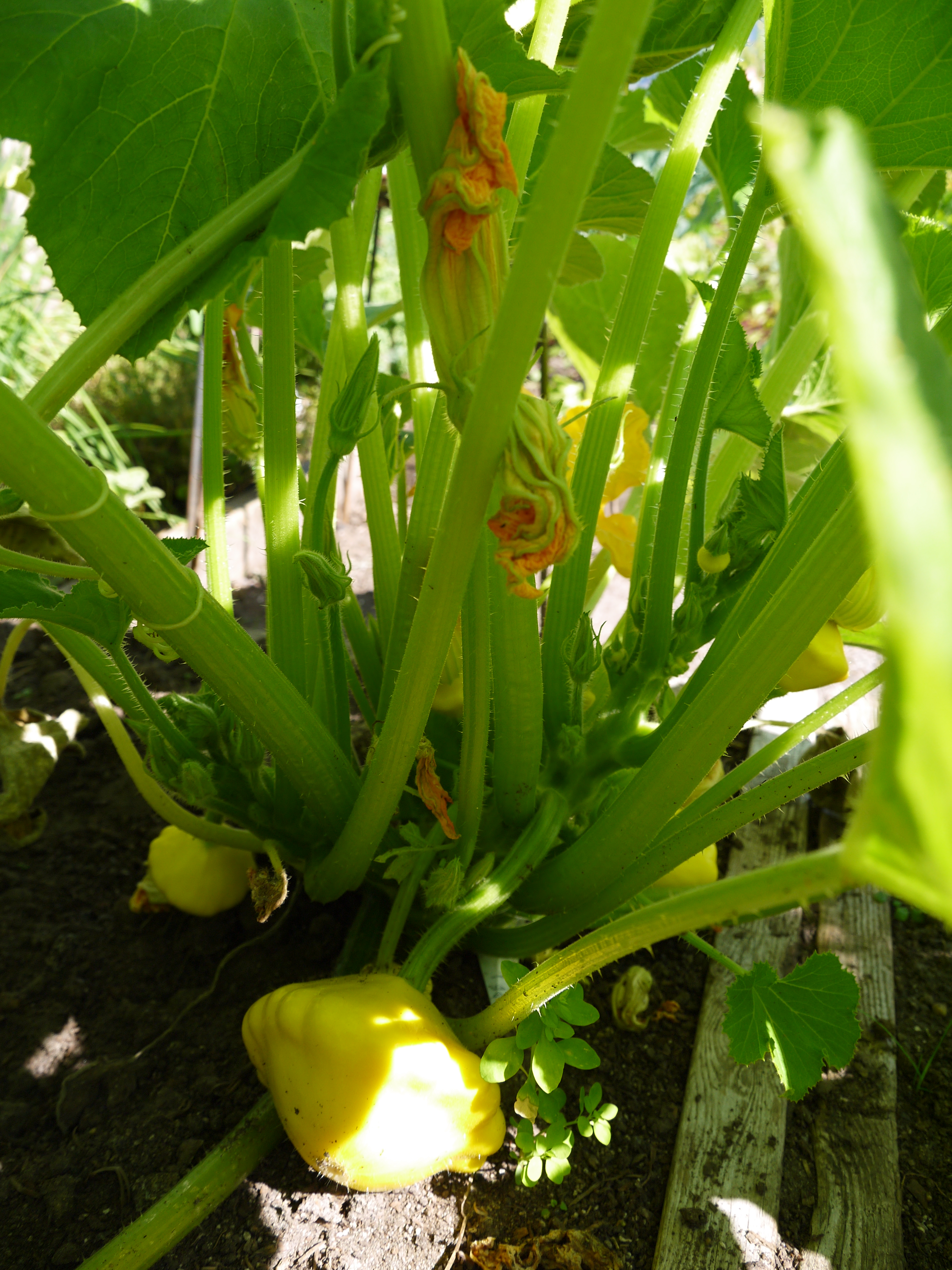
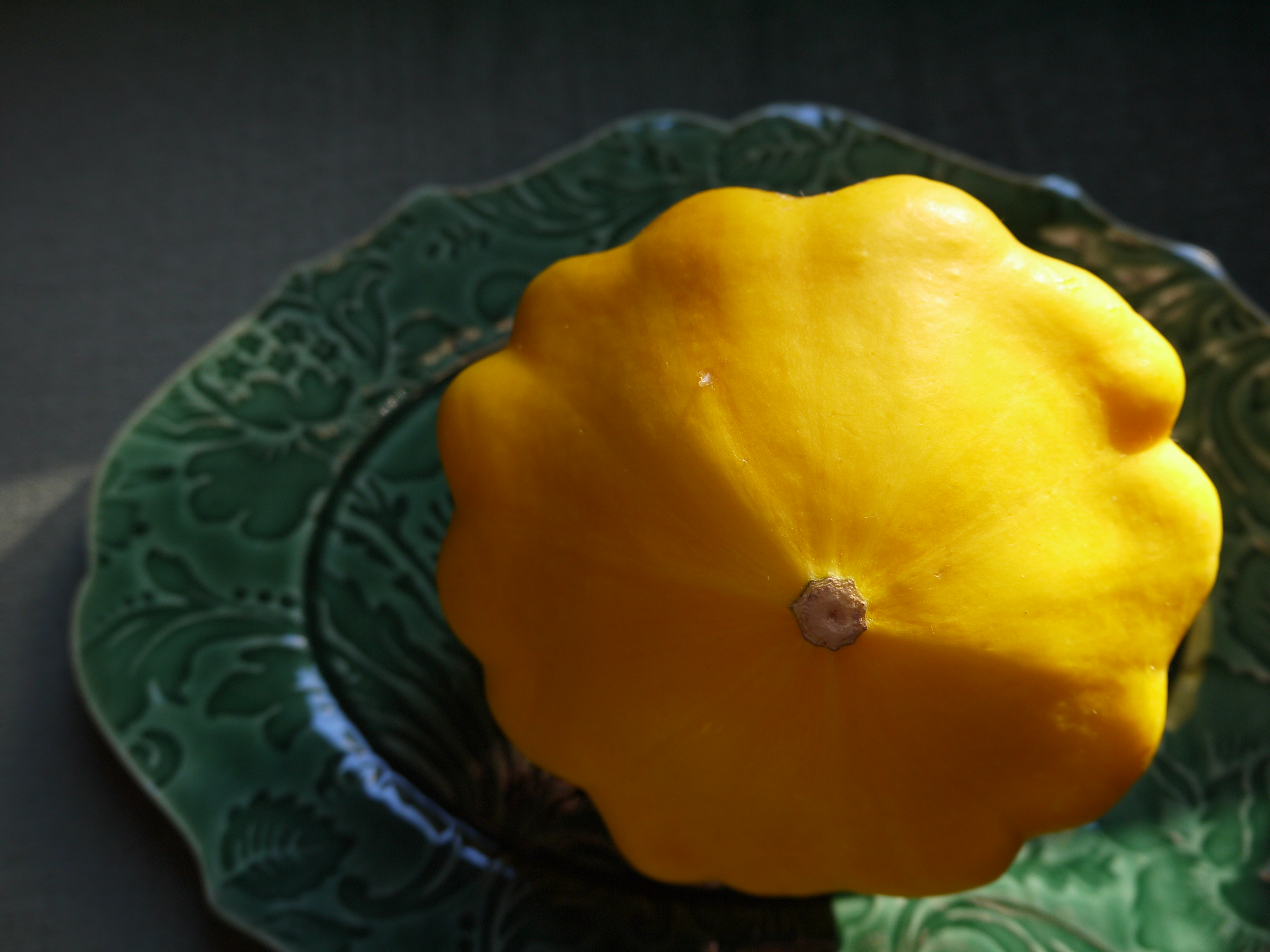
These adorable sunny squash are great on the grill. I planted two pattypan squash plants in my garden this year because they are the kind of thing I can often only find at a Farmer’s Market. They are taking over my little garden now and every day I’m finding more squash that are ready to pick, so I’m thinking of ways to cook ’em up.  I pick them while they are still pretty small and tender, so they will be thin enough to heat through on the grill. This is a super simple recipe that enhances the flavour of the squash.

What you need:

pattypan squash

a few sprigs of thyme

olive oil

salt and pepper

What you do:

1. Heat the grill to medium-high.  Cut the squash in half along the frilly edge. Rub the cut side with olive oil.

2. Sprinkle some salt and pepper and thyme onto the cut side.

3. When the grill is hot, place the squash cut-side down on the grill and leave in that position for the whole cooking process so you get one nice set of grill lines. Grill for 8-10 minutes with the lid down. Check it in the last few 4-5 minutes, as everybody’s grill works a little differently.

4. I decided mine were done when I could see a bit of browning around the edge, and when I touched the outside of the squash it had a little bit of give to it.

Serve it hot!

pattypan squash growing - trust in kimpattypan squash - trust in kim

Tomatillo Salsa

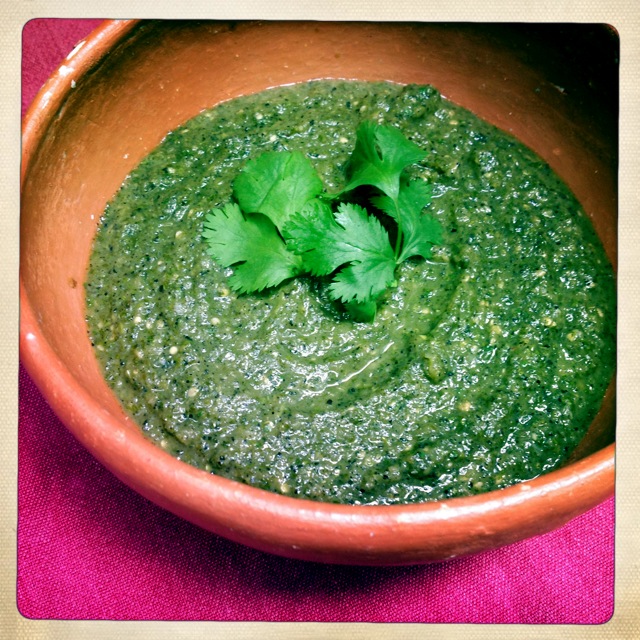
tomatillo salsa - trust in kim

Here’s another recipe I got from the awesome cooking class I took in Tulum Mexico with Eric Fischer at Altamar Restaurant.  It’s not too spicy, and you can alter that by adding more or less pepper.  I served it with Mexican Barbecued Chicken, and it is also great on tacos.  The key to the flavour here is roasting the tomatillo, onion and chili peppers over a flame; I did this on my gas stove, but a barbecue works great too.  You can keep this in the fridge for a few days.

What you need:

500 grams tomatillo

1 small sweet white onion

20 grams cilantro

1 jalapeno and 1 banana pepper

20 grams garlic

2 grams salt

2 grams black pepper

olive oil

What you do:

1. Roast the onions over a flame, turning often, until the outside is blackened and the inside is soft, about half and hour.

2. Roast the peppers until blackened then put them in an airtight container for about 15 minutes.  Remove most of the skin along with the stem.

3. Roast the tomatillos until they are lightly blackened.

4. Put everything into a blender and mix well.

5. Preheat a pot then add some olive oil and cook the sauce for 7-10 minutes.

6. Allow the sauce to cool, then store it in the fridge.

Eggs with Veggies and Guajillo Chili Salsa

eggs with veg and guajillo chili - trust in kim

For breakfast this morning I took a little inventory of the fridge contents and made up this meal.  It’s just some fried veg mixed with guajillo chili salsa, and added to some scrambled eggs.  Feel free to substitute for another kind of salsa, and substitute mushrooms or tomatoes if you have them. It is, after all, a clean-out-the-fridge recipe. Use what you’ve got!

The amounts really depend on how many people you are serving, and how much you like the various ingredients.  The amounts suggested in brackets are for two people.

This recipe draws on the omelette-making I learned about in Spain, and the Mexican cooking I learned about with Eric Fischer at Altamar Restaurant in Tulum, Mexico.

What you need:

eggs, lightly beaten with a fork (4)

sweet onion, chopped (1/4 cup)

red bell pepper, chopped (1/2 a pepper)

garlic, finely minced (2 cloves)

avocado, chopped (1/2 an avocado)

olive oil (2-4 teaspoons)

salt and pepper to taste

guajillo chili salsa (or another salsa or some hot sauce) (2 teaspoons)

What you do:

1. Heat a little olive oil in a frying pan on medium heat. Add the onions and cook for about 2 minutes, then add the peppers and cook for a few more minutes.  If the pan is getting a little dry you can add some water to let the peppers soften up a little.  Add the garlic and cook for about another minute. Add some salsa and mix it in.

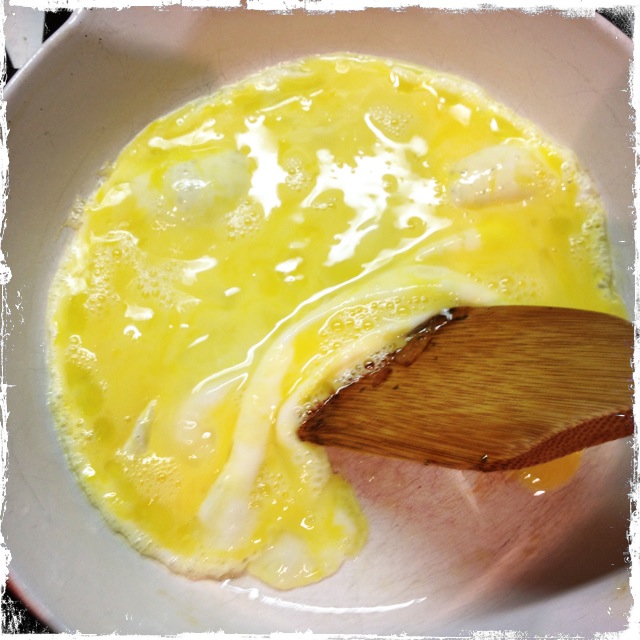
2. In another fying pan, heat some olive oil to medium-high heat.  Add the egg and let it bubble a little.  Rather than stirring the eggs around, push them away from the edge of the pan and let the uncooked egg move to the edges of the pan.  When the egg is just cooked, serve it alongside the veggies.  Serve immediately with some avocado on top!cooking eggs - trust in kim

Mexican “Mother” Sauce – salsa fresca

salsa fresca - trust in kim

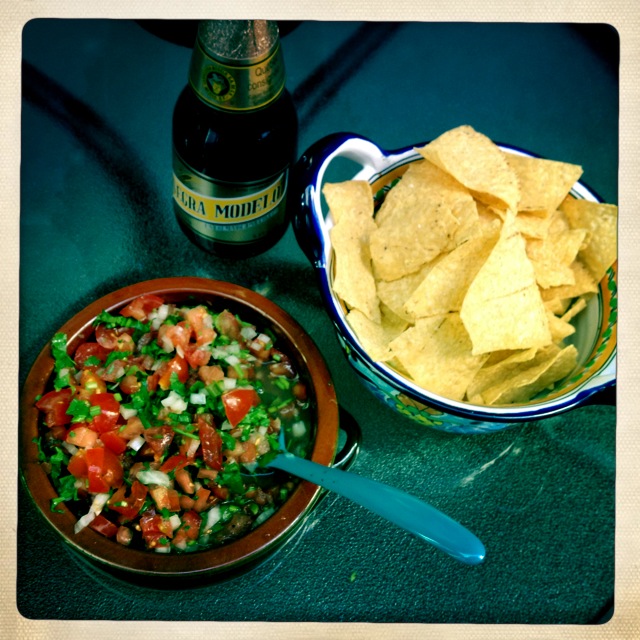
I’ve made the classic salsa fresca, or pico de gallo, many times before. This recipe is very similar, but I got it from a cooking class I took at Altamira Restaurant in Tulum, Mexico with chef Eric Fischer.  He called it the Mexican Mother Sauce, because it goes with everything. The thing I learned about salsa fresca from his class was that you don’t use the tomato seeds; not a big deal, but ends up being way less watery that way.

What you need:

100 grams tomato, diced, without seeds

50 grams sweet white onion, diced

5 grams cilantro, chopped

50 ml lime juice

2 grams serrano chili, finely minced

a large pinch each of salt and pepper

What you do:

1. Put everything in a bowl and stir it up.  Check the seasoning and add salt and pepper to taste.

Refrigerate until you use it.

Serve with tortilla chips, or on the side of a meal with beans and rice.

Cauliflower and Roasted Fennel Soup

cauliflower and roasted fennel soup - trust in kim

Well, I will definitely be making this soup again! The roasted fennel gives it some depth of flavour without tasting overly like anise.  It is smooth and creamy without any dairy or dairy substitutes.  You have the option of making it vegan, as the original recipe was, but I used chicken stock instead of vegetable.

The recipe is from Brian L. Patton’s Sexy Vegan Cookbook. I’m always happy to add healthy and delicious soups to my repertoire!

What you need:

1 fennel bulb

2 teaspoons olive oil + a little for roasting the fennel

1 cup chopped sweet onion

4 cloves garlic, minced

1 medium head of cauliflower, cut into florets

1 russet potato, peeled and cut into chunks of about 2 cm

3 cups vegetable or chicken stock (I needed more than this so I added some water bouillon)

salt and pepper

What you do:

1. Preheat the oven to 350F.  Cut the stalks off the fennel and set them aside.  Chop the fennel bulb in half and rub it with a little olive oil.  Sprinkle with salt and pepper, then place cut-side down on a baking tray.  Roast the fennel for 30-40 minutes, or until browned and tender.  Remove from the oven and cut into large chunks.

2. While the fennel is roasting begin making the rest of the soup.  Heat a large pot on medium heat and add about 2 teaspoons of olive oil.  Add the onion, sliced fennel stalks and a pinch of salt.  Cook for 4-6 minutes, then add the garlic and cook for another 4 minutes.  Add the potato, cauliflower and enough stock to cover the vegetables, and bring to a simmer. When the fennel is roasted, add it as well.  Cook until the cauliflower and potatoes are very tender.

3. Puree the soup (I used an immersion blender, but a food processor or blender work as well) until very smooth.  Add salt and pepper to taste.

Zucchini Linguini and Pesto

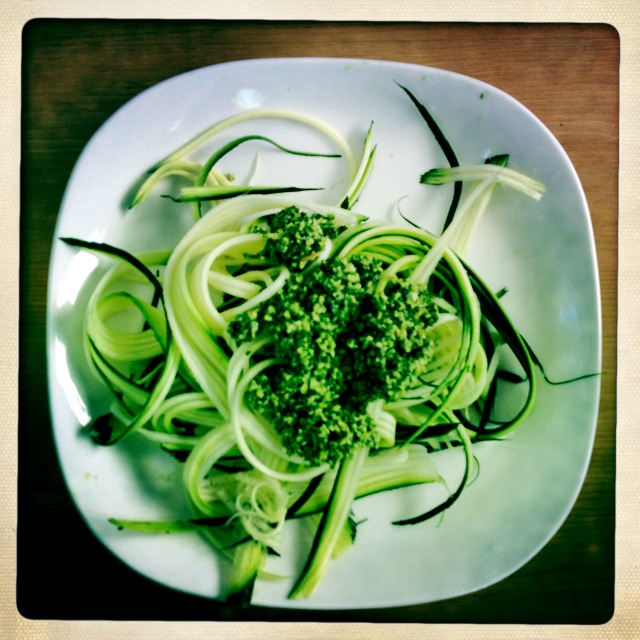
zucchini linguini and pesto - trust in kim

This one’s a raw recipe, excellent for using zucchini that will be coming up in your garden soon. It’s fresh and delicious, and really easy to make.  I serve it cold, but you could cook the zucchini in a little olive oil if you prefer.

What you need:

a young zucchini

1/4 cup very lightly toasted pine nuts

3/4 – 1 cup basil

1/2 clove of garlic

1/4 cup freshly grated parmesan (I use lactose-free l’Ancetre brand)

olive oil

salt

What you do:

1.  Toast your pine nuts very lightly; you still want them to be creamy when you puree them.

2. Place the pine nuts, basil,  and garlic and a bit of salt in the food processor and add as much olive oil  as you need to make it smooth.  Then add the parmesan and give it one last whirl.  Add a bit more olive oil if you think it needs to be a little thinner.  Taste it and see if you need to add a little more salt. (You could also do this with by hand with a mortar and pestle.) This recipe makes enough pesto that you can save it for a pasta recipe, or freeze some for later.

3. Julienne the zucchini.  I don’t use the very inner part of the zucchini because it doesn’t hold together very well, so I just peel the whole thing with my julienne tool (see photo below).

4. Arrange the julienned zucchini on a plate and top it with some pesto, and you’re ready to dig in!

julienne peeler - trust in kim

julienne tool from Kuhn Rikon


Roasted Cauliflower and Hazelnut Salad

Roasted Cauliflower and Hazelnut Salad - trust in kim

Having a strong affection for roasted cauliflower and Middle Eastern foods, I adore this recipe.  I love a salad that has enough going on that it could be a light lunch.  This one has nuts to give it a bit of protein, and the yummy sweetness of the pomegranate.  Once you’ve got your cauliflower roasted, it is quick to make.  I kept it as leftovers for my lunch, but added the hazelnuts just before I ate it so they would retain their crunch.

The recipe is from Yotam Ottolenghi’s Jerusalem cookbook – love this book! I was wary of the cinnamon and allspice, but I put them in anyways and the salad was delicious.

What you need:

1 head cauliflower, cut in florets

4 tablespoons olive oil

1 stalk celery, cut on an angle

5 tablespoons hazelnuts with skins on

1/3 cup flat-leaf parsley, chopped

1/2 of a pomegranate

1/4 teaspoon ground cinnamon

1/4 teaspoon allspice

1 tablespoon sherry vinegar

1 & 1/2 teaspoons maple syrup

salt and pepper

What you do:

1. Heat the oven to 425F, then mix the cauliflower florets with 2 tablespoons of olive oil, 1/2 teaspoon of salt and some pepper.  Spread on a roasting pan and roast in the top of the oven for 25-35 minutes. The cauliflower should have crispy edges and some if it should have turned brown. When it’s done, put the cauliflower in a large bowl and let it cool down.

2. Lower the oven temperature to 325F and roast the hazelnuts on a baking tray for 17 minutes. Let the nuts cool a little and then chop them coarsely.

3. Add the parsley and pomegranate to the cauliflower.

4. Combine 2 tablespoons of olive oil, cinnamon, allspice, vinegar, maple syrup, and a little salt and pepper.  Combine, then pour over the salad.

5. I like to add the hazelnuts just before serving so they remain crunchy.  Serve at room temperature.